Melasma is a common skin condition that affects many individuals, primarily women. It is characterized by the development of dark patches on the skin, usually on the face. While melasma is a harmless condition, it can cause significant distress and affect a person’s self-esteem.
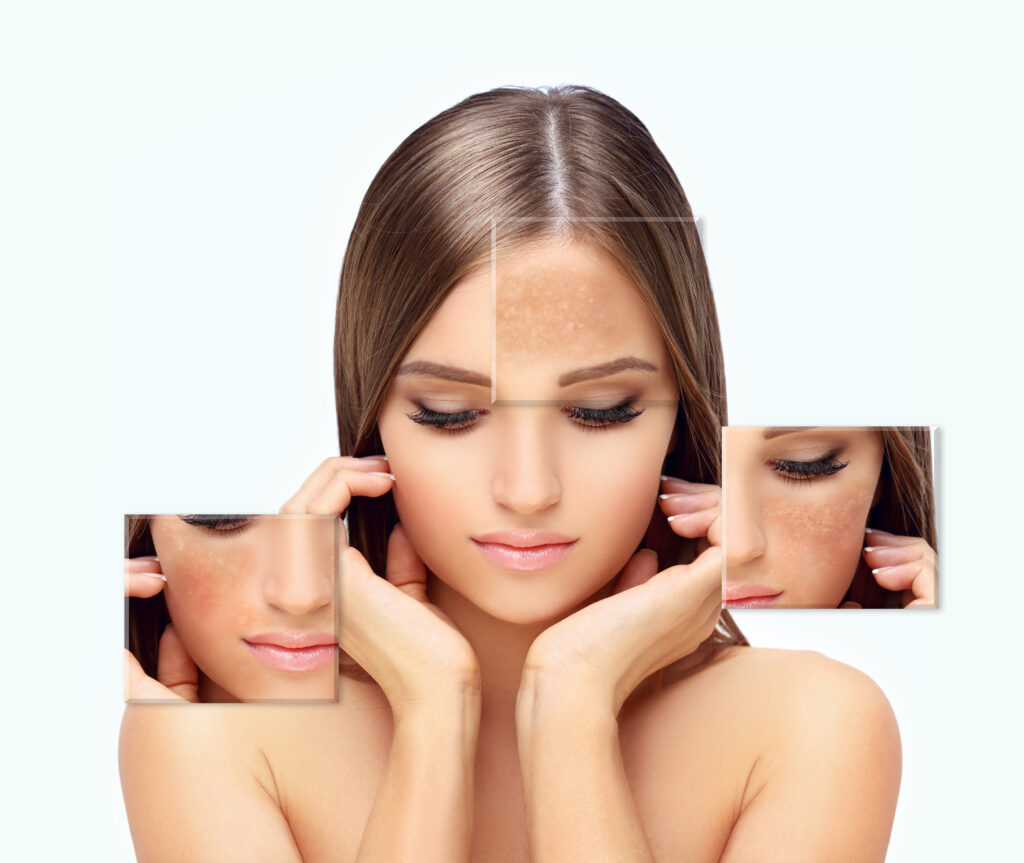
The primary symptom of melasma is the presence of dark, discolored patches on the skin. These patches typically appear on sun-exposed areas, such as the cheeks, forehead, nose, and upper lip. In some cases, melasma can also affect other parts of the body that are frequently exposed to the sun, such as the neck and forearms.
Melasma patches are usually symmetrical and can vary in size and shape. They can range from light brown to grayish-brown or dark brown in color. The borders of the patches may be irregular, and the affected skin may appear slightly raised or rough in texture.
Since sun exposure can worsen melasma, it is crucial to protect the skin from UV radiation. This includes wearing a broad-spectrum sunscreen with a high SPF, using protective clothing (such as hats and sunglasses), and avoiding direct sunlight during peak hours.
Certain creams, lotions, and gels containing ingredients such as hydroquinone, retinoids, corticosteroids, or azelaic acid may be prescribed. These topical medications help to lighten the dark patches and even out the skin tone.
Chemical peels involve the application of a chemical solution to the skin, which helps remove the outer layer of damaged skin cells. This can help reduce the appearance of melasma patches and promote the growth of new, healthier skin.
Laser treatments, such as intense pulsed light (IPL) or fractional laser resurfacing, can be effective in treating melasma. These procedures use concentrated light energy to target and break down the excess melanin in the skin, resulting in a more even skin tone.
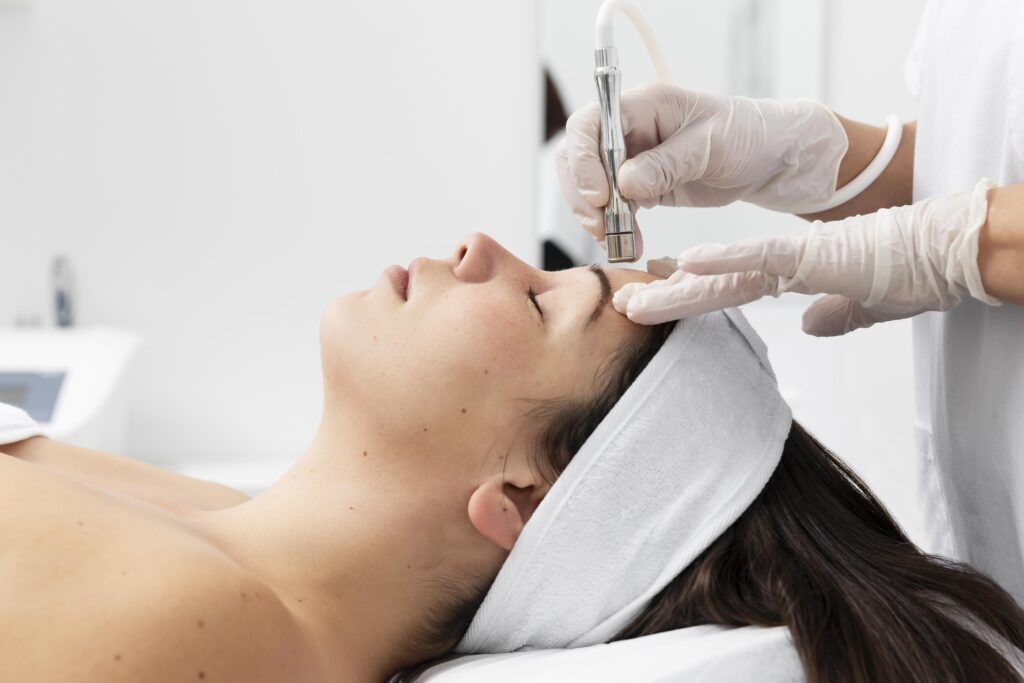
This procedure involves gently exfoliating the outer layer of the skin using a specialized device. Microdermabrasion can help improve the appearance of melasma by removing dead skin cells and stimulating cell turnover
The exact cause of melasma is not fully understood. However, several factors are believed to contribute to its development. These include:
Get a Free Quote
Get a Free Quote

Copyright 2025 regainhairandskin.in, design & developed by