Scarring alopecia, also known as cicatricial alopecia, is a type of hair loss characterized by the destruction and replacement of hair follicles with scar tissue. Unlike other forms of hair loss, scarring alopecia is permanent and irreversible since the hair follicles are permanently damaged.
Scarring alopecia can affect both men and women of any age, although it is more common in adults. The condition is relatively rare and accounts for a small percentage of all hair loss cases. It can manifest in different forms and patterns, depending on the underlying cause.
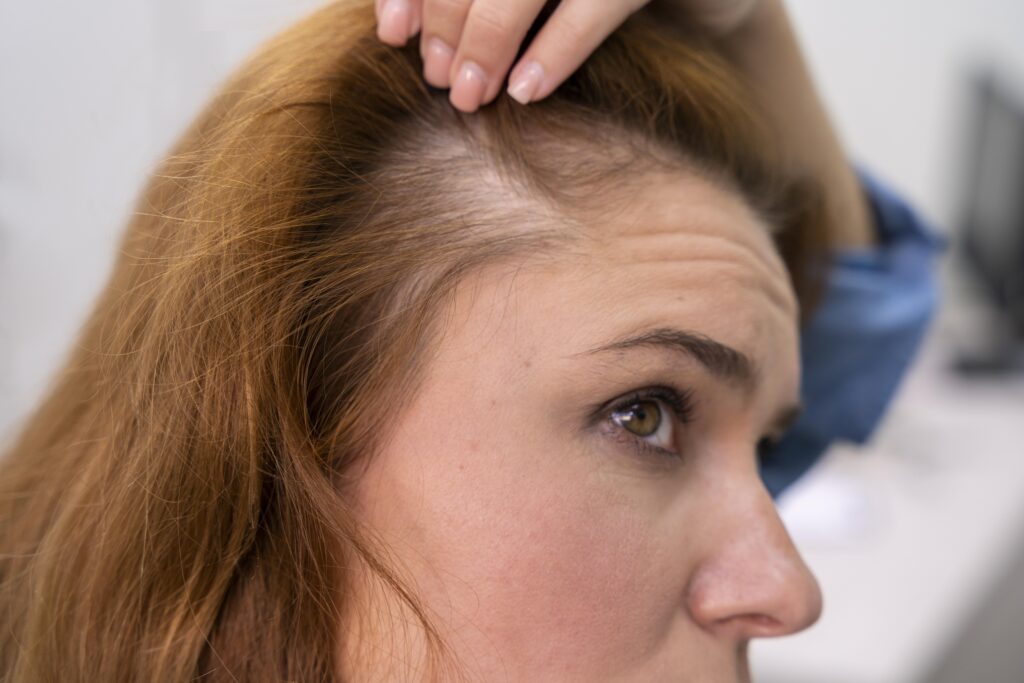
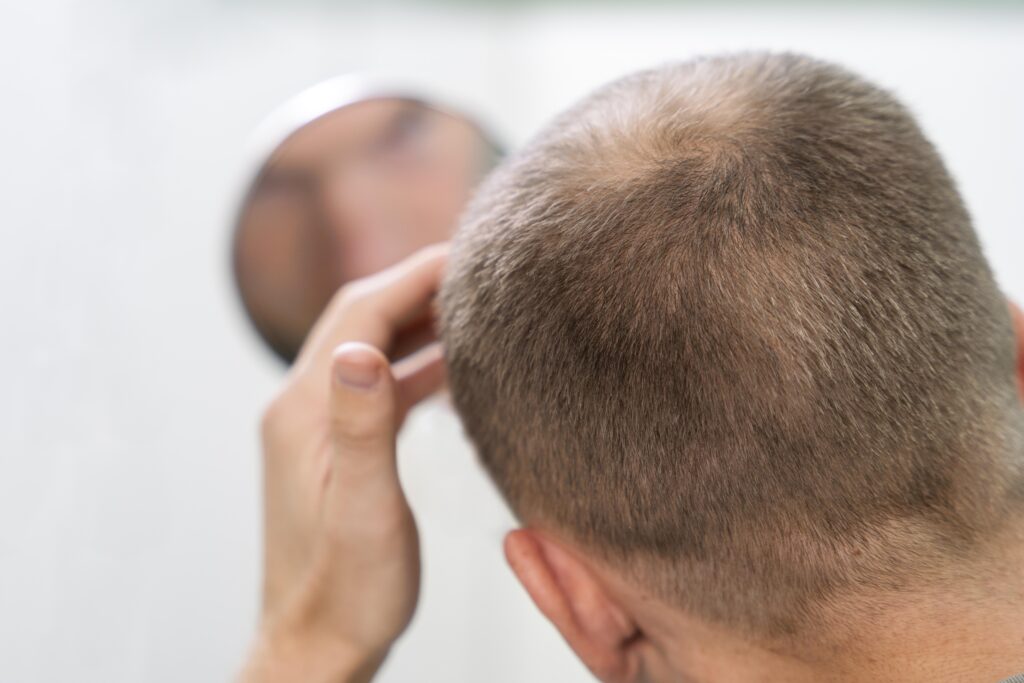
The symptoms of scarring alopecia may vary depending on the specific type and stage of the condition. Common signs include progressive hair loss, itchiness, burning sensations, tenderness, and visible signs of scarring on the scalp.
Diagnosing scarring alopecia usually involves a combination of clinical examination, medical history review, scalp biopsy, and sometimes blood tests to identify underlying causes or associated conditions.
Since scarring alopecia causes irreversible damage to the hair follicles, treatment primarily focuses on managing the symptoms, preventing further hair loss, and reducing inflammation. Treatment options may include topical or oral medications, such as corticosteroids, immunosuppressants, or antimalarial drugs. In some cases, surgical procedures like hair transplantation may be considered if the disease has stabilized and the scarring has resolved.
It’s important for individuals with scarring alopecia to work closely with a dermatologist or a hair loss specialist to develop a tailored treatment plan. Regular monitoring and follow-up are crucial to evaluate the response to treatment and adjust the approach as needed.
In conclusion, scarring alopecia is a type of hair loss characterized by the destruction and replacement of hair follicles with scar tissue. It is a permanent and irreversible condition that can have a significant impact on an individual’s appearance and self-esteem. Early diagnosis and appropriate management can help minimize further hair loss and alleviate symptoms associated with scarring alopecia.
This form of scarring alopecia primarily affects women of African descent. It typically starts at the center of the scalp and spreads outward. The exact cause is unknown, but factors such as genetics, hairstyling practices, and inflammation may contribute to its development.
LPP is an inflammatory condition that leads to scarring alopecia. It is characterized by flat-topped, violaceous (purplish) papules or plaques on the scalp. The exact cause of LPP is unknown, but it is believed to be an autoimmune disorder where the immune system mistakenly attacks hair follicles.
FFA predominantly affects postmenopausal women. It involves progressive hair loss along the frontal hairline and the eyebrows. The exact cause of FFA is unclear, but hormonal factors, genetic predisposition, and immune system dysregulation may play a role.
DLE is an autoimmune disorder that can cause scarring alopecia. It typically affects the scalp, causing coin-shaped patches of hair loss. In addition to hair loss, individuals with DLE may also experience skin rashes, photosensitivity, and other systemic symptoms.
If you have concerns about excessive hair shedding, it is advisable to consult with a healthcare professional for an accurate diagnosis and appropriate guidance. While telogen effluvium can be distressing, understanding the temporary nature of the condition and addressing the underlying cause can help manage the hair loss effectively.
Certain creams, gels, or ointments containing ingredients like retinoids, hydroxy acids, or silicone can help improve the appearance of mild acne scars. These topical treatments promote cell turnover and collagen production, aiding in scar reduction.
Chemical peels involve the application of a chemical solution to the skin, which exfoliates the outer layer and stimulates new skin growth. Superficial peels can improve the texture and pigmentation of mild acne scars, while deeper peels can target more severe scarring.
Microneedling, or collagen induction therapy, uses tiny needles to create controlled micro-injuries in the skin. This process stimulates collagen production and helps improve the texture and appearance of acne scars.
Laser treatments, such as fractional laser resurfacing, can effectively reduce the appearance of acne scars. The laser targets the damaged skin cells, promoting collagen production and revealing smoother, healthier skin.
Dermal fillers can temporarily fill in atrophic scars, making them less noticeable. These fillers provide volume and help elevate the depressed areas of the skin, creating a smoother surface.
Subcision is a minor surgical procedure that involves the insertion of a needle beneath the scar tissue to break up the fibrous bands that cause depressions. This technique stimulates collagen production and helps improve the texture of atrophic scars.
Get a Free Quote
Get a Free Quote

Copyright © 2026 regainhairandskin.in, design & developed by