Male pattern baldness, also known as androgenetic alopecia, is a common condition characterized by gradual hair loss in men. It is the most prevalent form of hair loss, affecting approximately 50% of men by the age of 50. Male pattern baldness typically follows a specific pattern, starting with thinning at the temples and crown of the head and eventually leading to partial or complete baldness in these areas.
The primary cause of male pattern baldness is genetic predisposition and the influence of male hormones, particularly dihydrotestosterone (DHT). DHT is a byproduct of testosterone metabolism, and individuals with a genetic sensitivity to DHT experience hair follicles that become progressively smaller and shorter. This miniaturization process leads to thinner, weaker hair strands that eventually cease to grow altogether.
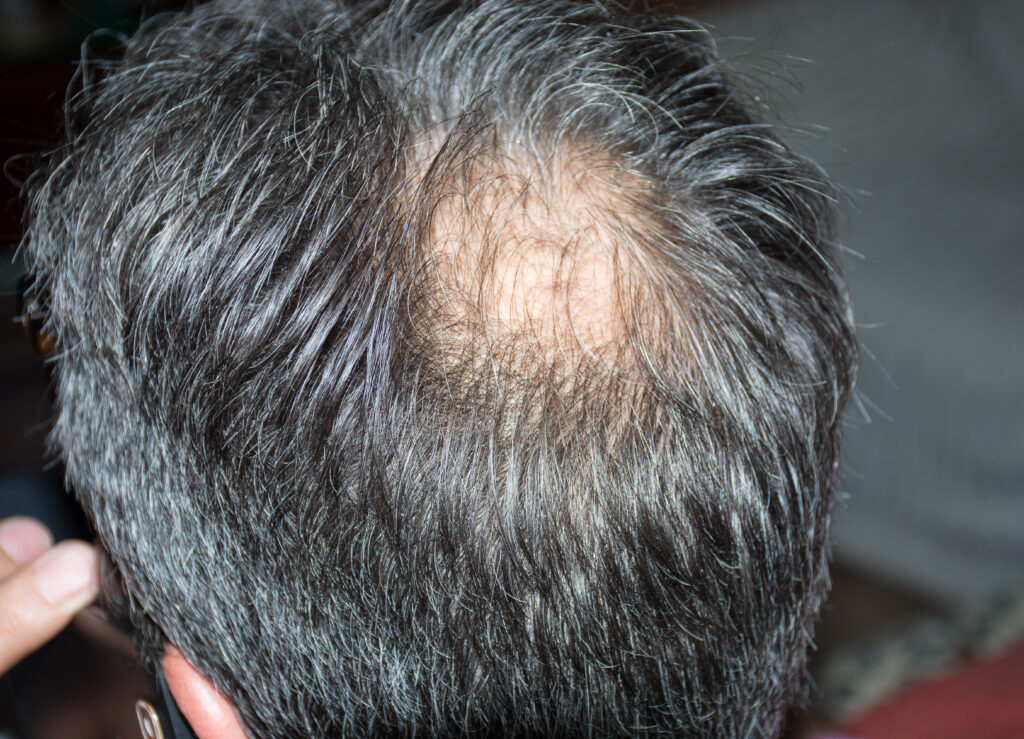
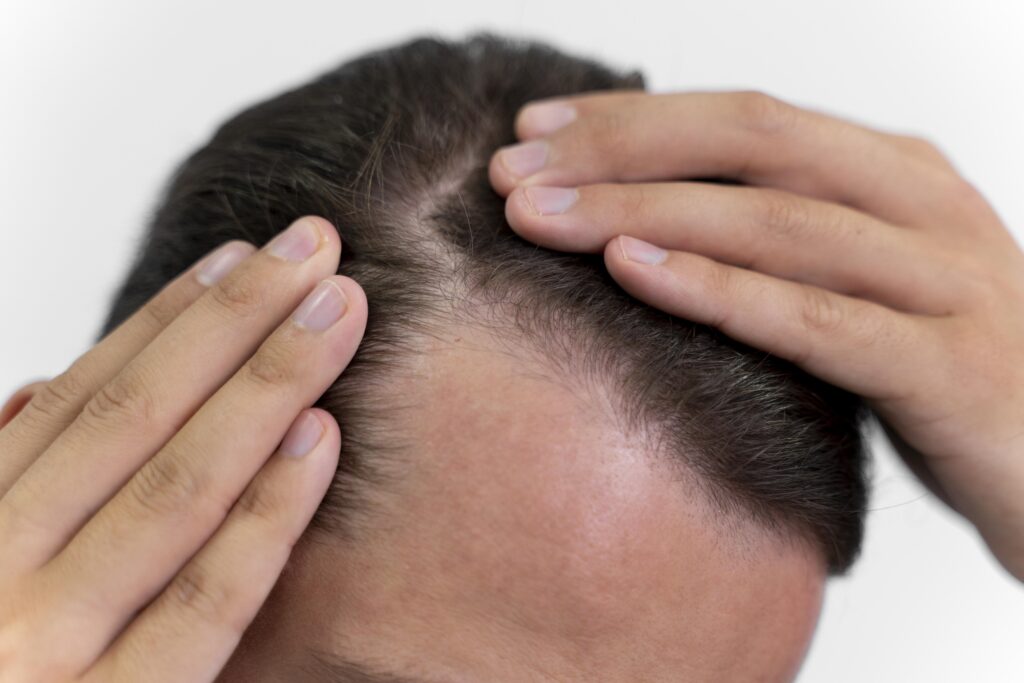
Although male pattern baldness is primarily influenced by genetic factors, other elements such as age, hormonal imbalances, and certain medical conditions can contribute to its development or accelerate the hair loss process. Additionally, lifestyle factors like stress, poor nutrition, smoking, and certain medications may exacerbate the condition.
The progression and severity of male pattern baldness can vary among individuals. The Norwood scale is often used to classify the stages of male pattern baldness, ranging from minimal recession of the hairline (Norwood I) to extensive hair loss with only a horseshoe-shaped ring of hair remaining (Norwood VII).
While male pattern baldness is not a medically concerning condition, it can have significant psychological and emotional impacts on affected individuals. Hair loss may lead to reduced self-esteem, body image issues, and a loss of confidence. Therefore, many men seek treatment options to slow down the progression of hair loss or restore their hair.
Various treatment approaches are available for male pattern baldness, including medication, hair transplant procedures, and cosmetic solutions. The FDA-approved medications for treating male pattern baldness include minoxidil (topical solution) and finasteride (oral medication). These medications can help slow down hair loss, promote hair regrowth, and improve the overall appearance of the hair.
Hair transplant procedures, such as follicular unit transplantation (FUT) and follicular unit extraction (FUE), involve the transplantation of healthy hair follicles from donor areas to the balding regions. These surgical techniques can provide long-lasting and natural-looking results.
In addition to medical interventions, there are cosmetic solutions available for individuals who prefer non-surgical approaches. These options include hairpieces, wigs, and various styling techniques that can help conceal hair loss and improve the appearance of thinning hair.
It’s important to note that not all treatments work equally well for everyone, and results may vary depending on individual factors. It is advisable for individuals experiencing hair loss to consult with a dermatologist or a hair restoration specialist to determine the most suitable treatment options based on their specific circumstances.
In conclusion, male pattern baldness is a common condition characterized by gradual hair loss in men. While it is primarily influenced by genetic factors and hormonal imbalances, various treatment approaches are available to slow down the progression of hair loss or restore hair growth. Seeking professional advice can help individuals make informed decisions about the best course of action based on their unique needs and expectations.
Get a Free Quote
Get a Free Quote

Copyright 2025 regainhairandskin.in, design & developed by