Alopecia areata is a relatively common autoimmune disorder that affects the hair follicles, resulting in hair loss. It is characterized by the sudden onset of round or oval-shaped patches of hair loss on the scalp, eyebrows, beard area, or other parts of the body. In some cases, alopecia areata can progress to more extensive hair loss or even total baldness
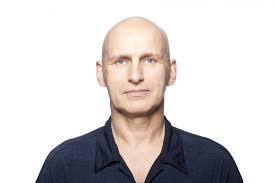
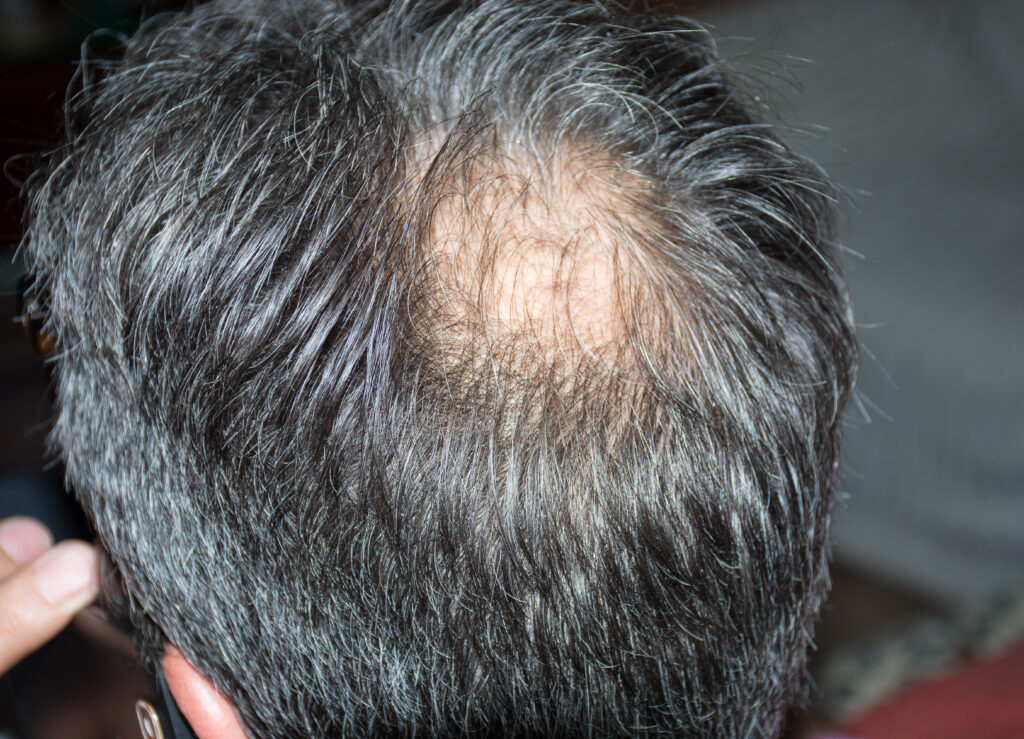
This is the most common type, characterized by one or more round or oval patches of hair loss. The patches are usually well-defined and may overlap or merge over time.
This is the most extensive form, resulting in complete loss of hair on the entire body, including the scalp, eyebrows, eyelashes, and other body hair.
In this form, complete loss of hair occurs on the scalp, including eyebrows and eyelashes
The primary symptom of alopecia areata is the sudden appearance of one or more round or oval patches of hair loss. The affected areas are usually smooth and may have a slightly different texture than the surrounding hair-bearing skin. In some cases, individuals may experience mild itching or tingling in the affected areas before hair loss occurs. The severity and extent of hair loss can vary greatly from person to person.
Alopecia Areata Treatment Options : Currently, there is no known cure for alopecia areata. However, various treatment options aim to stimulate hair regrowth and manage the condition. Treatment approaches may include:
Topical corticosteroids or other medications, such as minoxidil, may be prescribed to help promote hair regrowth.
Corticosteroid injections into the affected areas can help stimulate hair regrowth in some cases.
This treatment involves applying a chemical irritant (such as diphencyprone) to the affected areas to provoke an allergic reaction. The purpose is to stimulate hair regrowth by triggering an immune response.
In more severe cases, oral medications, such as corticosteroids or immunosuppressants, may be prescribed to help manage the autoimmune response.
Wigs, hairpieces, or cosmetic camouflage products can be used to conceal hair loss and boost confidence.
Get a Free Quote
Get a Free Quote

Copyright 2025 regainhairandskin.in, design & developed by