Head lice infestation, commonly known as pediculosis, is a common problem that affects people of all ages, particularly children. While it is not indicative of poor hygiene or cleanliness, head lice can be a source of discomfort and frustration.
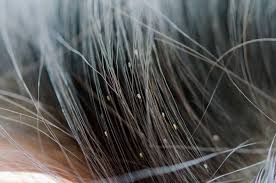
Head lice are small parasitic insects that live on the human scalp and feed on blood. The primary mode of transmission is direct head-to-head contact with an infested person. Lice can also spread through sharing personal items such as combs, brushes, hats, or towels. Contrary to popular belief, lice cannot jump or fly; they crawl from one person’s hair to another.
To prevent head lice infestations or re-infestations, consider the following measures:
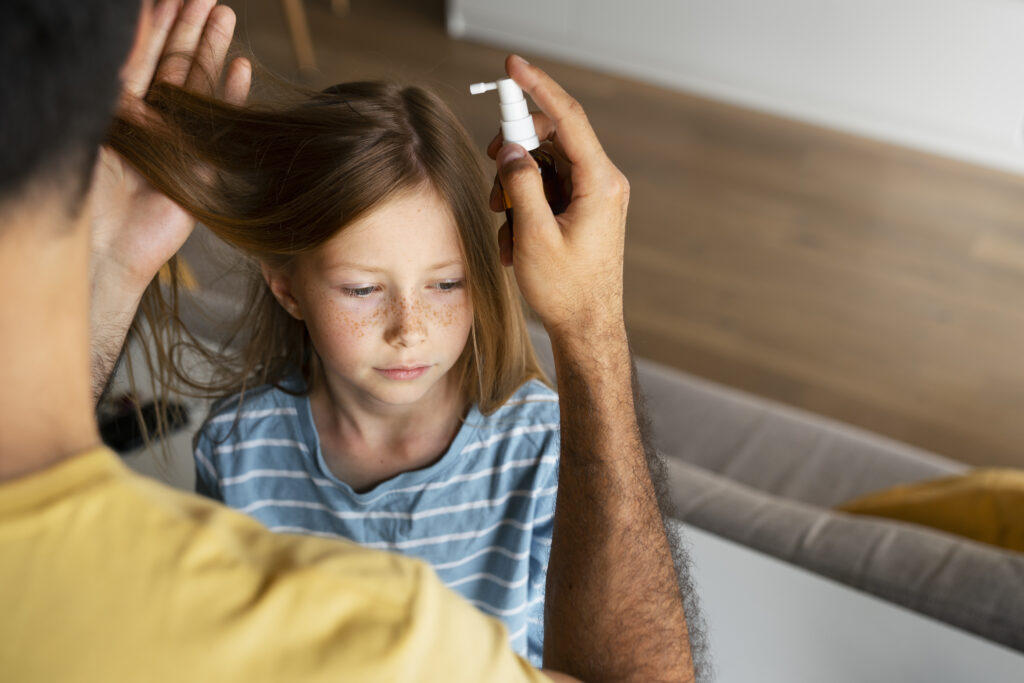
Many over-the-counter treatments contain pediculicides, which are chemicals that kill lice. These products often come in the form of shampoos, creams, or lotions. It is crucial to carefully follow the instructions provided with the product to ensure its effectiveness.
Combing the hair with a fine-toothed nit comb, specifically designed for lice removal, can help remove lice and nits. This method should be repeated regularly for a few weeks to ensure all lice and eggs are removed.
In cases where over-the-counter treatments do not work, or if the infestation is severe, a healthcare professional may prescribe stronger prescription medications to eradicate lice.
It is essential to wash and dry all bed linens, clothing, hats, and personal items that may have come into contact with the infested person's hair. Vacuuming upholstered furniture, car seats, and rugs can also help remove any stray lice or nits.
Get a Free Quote
Get a Free Quote

Copyright 2025 regainhairandskin.in, design & developed by