G11074 – Cosmetologist
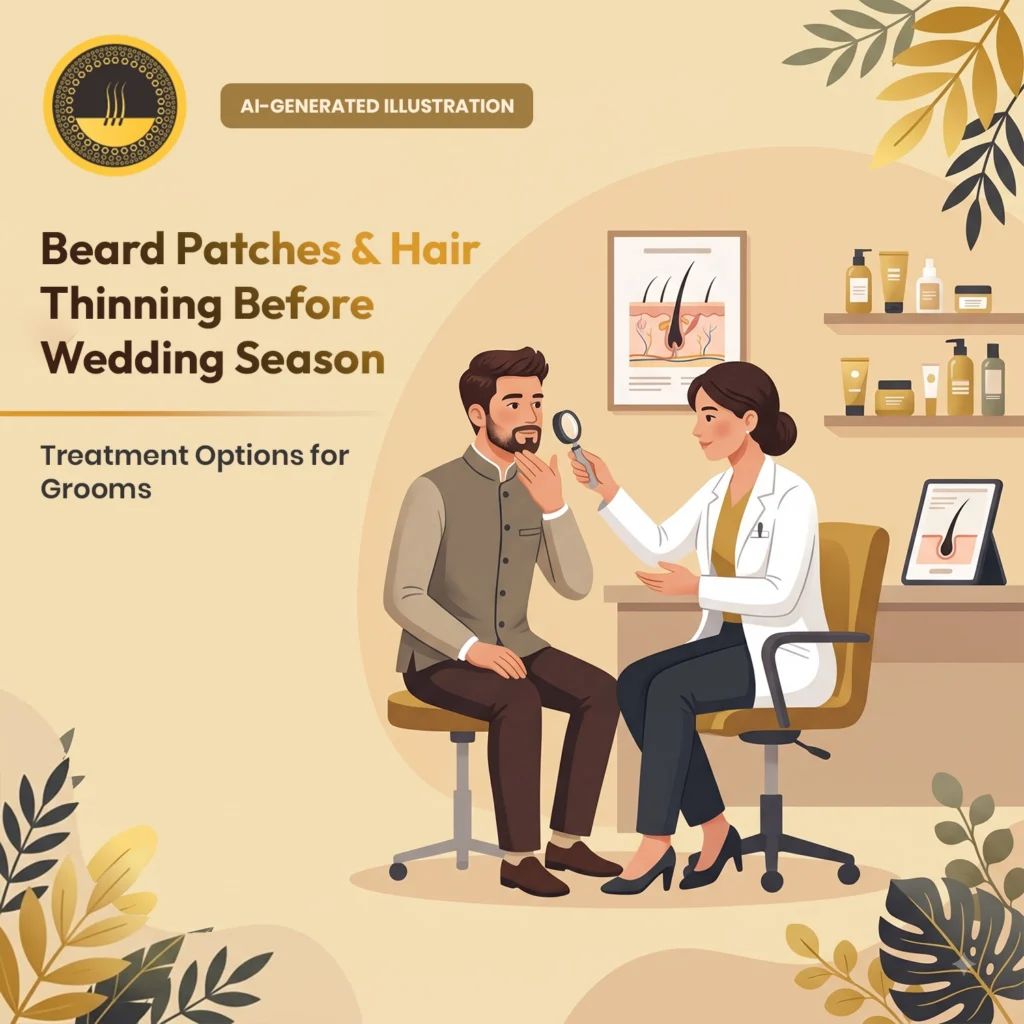
Wedding preparations involve several personal grooming decisions, and many grooms want to look their best during engagement ceremonies, pre-wedding photoshoots, and wedding celebrations. However, concerns such as uneven beard growth, patchy facial hair, thinning hair, and a receding hairline can affect appearance and confidence.
Beard patches and hair thinning can develop due to different reasons, including genetics, hormonal influences, nutritional deficiencies, medical conditions, and certain skin disorders.
Individuals searching for a hair clinic in Wakad should understand the underlying cause before choosing a treatment. Early assessment can help identify suitable options and establish realistic expectations, particularly when planning treatments around an upcoming wedding.
Understanding the cause of hair loss is the first step towards appropriate treatment.
1. Genetic Factors
Genetic hair loss is a common cause of thinning hair in men. It may initially appear as a receding hairline, reduced crown density, or gradual thinning across the scalp.
Beard growth patterns can also vary naturally due to genetics.
2. Hormonal Factors
Hormonal influences can affect scalp hair growth and contribute to male pattern hair loss. Certain hormonal and medical conditions may also influence facial hair development.
3. Nutritional Deficiencies
Insufficient iron, protein, vitamin B12, or other essential nutrients may contribute to excessive hair shedding in some individuals.
Nutritional deficiencies should be identified through appropriate assessment rather than treated with supplements without medical advice.
4. Stress and Lifestyle Factors
Physical or emotional stress, inadequate sleep, illness, and sudden weight changes may contribute to temporary hair shedding.
5. Skin Conditions
Certain inflammatory or autoimmune skin conditions can cause patchy beard hair loss. For example, alopecia areata may produce smooth, clearly defined patches in the beard area.
Sudden beard hair loss, redness, scaling, itching, or inflammation requires medical evaluation to identify the cause.
Treatment for patchy beard growth depends on the underlying diagnosis, size of the affected area, and condition of the surrounding skin.
1. Medical Treatment
For certain conditions, prescription medications may help manage inflammation or support hair regrowth.
For example, dermatologists may recommend specific treatments for alopecia areata after evaluating the affected area and disease severity.
Medical treatment should always be based on an appropriate diagnosis.
2. PRP (Platelet-Rich Plasma) Therapy
PRP therapy involves collecting a small blood sample, processing it to concentrate platelets, and injecting the prepared plasma into selected areas.
It is used in some hair restoration settings, particularly for selected cases of scalp hair thinning.
However, evidence for PRP in beard patch treatment is more limited. It should not be considered a guaranteed solution for every type of beard hair loss.
3. Beard Hair Transplant
Beard transplantation may be considered for individuals with stable areas of insufficient facial hair where suitable donor hair is available.
The procedure involves extracting hair follicles, usually from the scalp, and implanting them into selected beard areas.
Important considerations include:
Donor hair availability.
Beard shape and density.
Natural direction and angle of hair growth.
Skin condition in the recipient area.
Expected healing and growth timeline.
A beard transplant is a surgical procedure and requires careful planning.
Hair thinning may progress gradually, particularly in individuals with genetic hair loss. Treatment depends on the stage and cause of the condition.
1. Medical Hair Loss Management
Dermatologist-prescribed medications may help slow certain types of hair loss and maintain existing hair.
Treatment selection depends on age, medical history, diagnosis, and possible side effects.
2. PRP Hair Therapy
PRP may be considered for selected individuals with certain types of hair thinning.
Multiple sessions may be recommended depending on the treatment plan. Results vary, and PRP does not replace established medical treatments when these are indicated.
3. Hair Transplantation
Hair transplantation may be an option for suitable individuals with pattern hair loss and adequate donor hair.
Common techniques include:
FUE: Individual follicular units are extracted from the donor area and implanted into the recipient area.
FUT: A strip of scalp tissue is removed from the donor area, and follicular units are separated for transplantation.
The appropriate technique depends on donor characteristics, hair loss pattern, and surgical assessment.
Hair and beard restoration require time. The appropriate starting point depends on whether the individual needs medical treatment, PRP, or surgery.
A general planning guide is:
Time before wedding | Suggested consideration |
12–18 months | Consultation and assessment for possible hair or beard transplant |
9–12 months | Continue treatment and monitor hair growth |
6–9 months | Medical management or suitable non-surgical treatments may show improvement |
3–6 months | Review treatment response and maintain existing hair care |
Final few weeks | Avoid introducing new invasive procedures close to the wedding |
Hair transplant results generally develop gradually over 12 months or longer. Therefore, surgery performed only six months before a wedding may not produce the expected final density by the event.
Starting consultation early provides more flexibility for treatment planning and recovery.
Whether considering PRP, medical treatment, or transplantation, appropriate precautions are important.
Before treatment:
After treatment:
For surgical procedures, recovery instructions should be followed according to the operating surgeon’s advice.
Before selecting a hair clinic in Wakad, individuals should evaluate the qualifications of the treating professionals, the suitability of the proposed treatment, and the hygiene standards of the facility.
During consultation, consider asking:
A proper diagnosis is more important than selecting a procedure based only on advertisements or wedding-related deadlines.
Beard patches and hair thinning are common concerns among men, but their causes and treatment requirements can differ significantly.
Options such as medical management, PRP therapy, and hair or beard transplantation may be considered depending on individual suitability.
For grooms planning their wedding, early consultation is important because hair restoration is a gradual process. Individuals researching beard patch treatment or hair loss treatment in Wakad should prioritise accurate diagnosis, realistic expectations, and appropriate treatment planning.
Book a consultation today and take the first step toward healthier skin and hair.
Yes, depending on the cause. Medical treatments may help certain conditions, while beard transplantation may be considered for selected individuals with stable areas of insufficient beard growth. Results and timelines vary.
PRP generally requires multiple sessions. Some individuals may notice changes after several months, but response varies according to the underlying hair loss condition and individual factors.
Consultation should ideally begin 12–18 months before the wedding if transplantation is being considered. Hair growth and maturation may take 12 months or longer, so early planning is important.
Transplanted follicles may continue growing hair over the long term, but individual outcomes vary. Proper donor selection, implantation angle, surgical technique, and post-operative care influence the result.
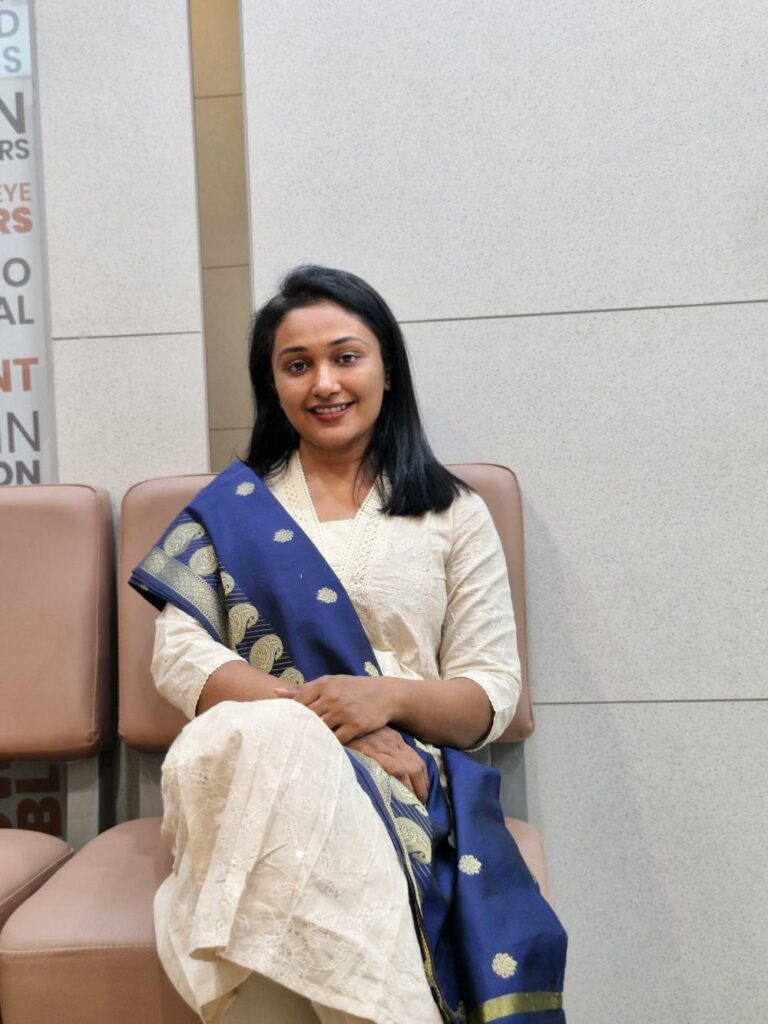
Schedule a consultation with Dr. Jalpa Desai at Regain Hair & Skin Clinic to create a personalized groom hair restoration plan.
Get a Free Quote
Copyright © 2026 regainhairandskin.in, design & developed by Codigix