
G11074 – Cosmetologist
Lip pigmentation is a common concern that can affect people of different age groups. While natural lip colour varies from person to person, some individuals may notice gradual darkening, uneven pigmentation, or changes in lip texture.
Factors such as sun exposure, smoking, hormonal changes, genetics, dehydration, and certain cosmetic products may contribute to lip discolouration. During summer, increased ultraviolet (UV) exposure and dryness can make lip care particularly important.
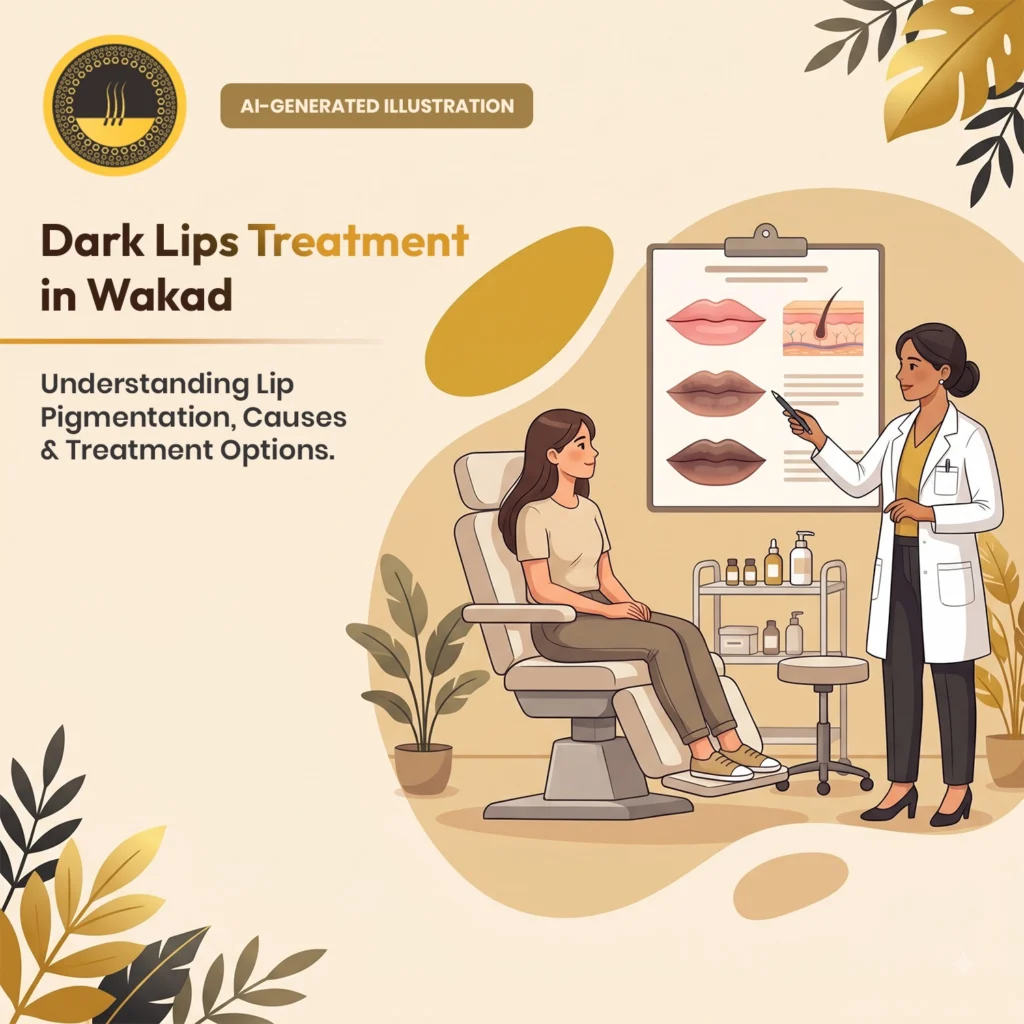
Individuals searching for dark lips treatment in Wakad should first understand the underlying cause of pigmentation. A dermatologist can examine the lips, identify possible contributing factors, and recommend appropriate treatment based on the condition.
Lip pigmentation occurs when melanin, the natural pigment responsible for skin colour, accumulates in the lip tissue. The extent and distribution of pigmentation may vary depending on genetics, environmental exposure, lifestyle habits, and certain medical conditions.
Some individuals naturally have darker lips, while others develop pigmentation over time. It is important to distinguish normal variations in lip colour from newly developed or unusual pigmentation that may require medical assessment.
1. Sun Exposure
Prolonged exposure to ultraviolet radiation can stimulate melanin production and contribute to pigmentation around and on the lips.
The lips have relatively delicate skin and are vulnerable to environmental damage. Regular use of a broad-spectrum SPF lip balm can help reduce UV-related damage.
2. Smoking and Tobacco Use
Smoking and tobacco consumption are associated with lip discolouration. Repeated exposure to tobacco-related chemicals and heat may contribute to changes in lip pigmentation.
Reducing or stopping tobacco use is an important step towards maintaining overall oral and lip health.
3. Dehydration and Dryness
Dehydration and environmental dryness can cause the lips to become rough, cracked, and uncomfortable. Dryness may make existing pigmentation appear more noticeable.
Regular hydration and appropriate lip moisturisers can help maintain the lip barrier and reduce dryness.
4. Cosmetic Products and Allergic Reactions
Certain lipsticks, lip balms, fragrances, and cosmetic ingredients may cause irritation or allergic contact cheilitis in susceptible individuals.
Repeated inflammation can sometimes result in post-inflammatory pigmentation. Identifying and avoiding the triggering product is an important part of management.
5. Hormonal and Medical Factors
Hormonal changes, certain medications, nutritional deficiencies, and some medical conditions may be associated with changes in lip pigmentation.
Persistent or unexplained pigmentation should be evaluated rather than treated with unverified lightening products.
Treatment depends on the cause, severity, and nature of pigmentation. Not every individual requires a cosmetic procedure. A dermatologist may recommend one or more of the following approaches.
1. Medical Lip Care
When dryness, irritation, or inflammation contributes to lip discolouration, appropriate lip care may be recommended.
This may include fragrance-free moisturising products, barrier-repair formulations, and treatment of underlying inflammation.
2. Sun Protection
Using a broad-spectrum SPF 30 or higher lip balm can help protect the lips from UV exposure.
Reapplication is important, particularly after eating, drinking, or spending extended periods outdoors. Sun protection is also useful in preventing further UV-related pigmentation.
3. Topical Treatments
Depending on the diagnosis, a dermatologist may recommend selected topical formulations for certain types of pigmentation.
The suitability of active ingredients depends on the condition of the lips. Products intended for facial skin should not automatically be applied to the lips, as the lip surface is delicate and may develop irritation.
Avoid using strong bleaching agents, steroid combinations, or unprescribed chemical preparations.
4. Laser Treatment for Dark Lips
Certain laser procedures may be considered for selected cases of lip pigmentation. These treatments target pigment within the tissue using specific wavelengths of light.
The choice of laser depends on the pigmentation pattern, skin type, and clinical assessment.
Possible side effects include temporary redness, swelling, irritation, changes in pigmentation, and, in some cases, scarring. Results vary, and multiple sessions may be required depending on the condition.
A qualified dermatologist should assess suitability and explain potential complications before treatment.
Not all dark lips are caused by excessive melanin production. Pigmentation may also occur due to inflammation, allergies, medication-related changes, or other underlying conditions.
A dermatological assessment helps determine:
New, persistent, rapidly changing, or unevenly distributed pigmentation should receive medical attention, particularly if accompanied by ulcers, bleeding, pain, or swelling.
A consistent lip care routine can help maintain hydration and reduce environmental damage.
These measures support lip health but may not remove pigmentation caused by genetic or medical factors.
Before considering lip lightening treatment in Wakad, individuals should understand the cause of pigmentation and the available treatment options.
It is important to check the qualifications of the treating dermatologist, discuss the procedure’s suitability, understand possible side effects, and receive clear information about costs and follow-up requirements.
Treatment decisions should be based on medical assessment rather than promises of instant, permanent, or guaranteed changes in lip colour.
Dark lips and lip pigmentation can develop due to several factors, including genetics, sun exposure, tobacco use, cosmetic irritation, and underlying medical conditions.
Individuals researching dark lips treatment in Wakad should prioritise identifying the cause before choosing a treatment. Appropriate sun protection, gentle lip care, medical management, and selected dermatological procedures may help manage certain forms of pigmentation.
Understanding the available options and their limitations supports informed decisions about lip health and pigmentation management.
Book a consultation today and take the first step toward healthier skin and hair.
Dark lips may result from genetics, UV exposure, smoking, hormonal changes, certain medications, cosmetic irritation, or post-inflammatory pigmentation. The cause can be identified through a dermatological assessment.
Laser treatment may be considered for selected cases of lip pigmentation. Suitability depends on the cause, skin type, and pigmentation pattern. A dermatologist should explain the potential benefits, risks, and limitations before treatment.
Yes. Regular application of broad-spectrum SPF 30 or higher lip balm can help protect against UV-related pigmentation and environmental damage. Reapplication is important during outdoor activities.
The treatment timeline varies according to the underlying cause and selected approach. Some conditions may improve with appropriate lip care and removal of triggering factors, while others may require medical treatment or multiple procedural sessions. Results cannot be predicted uniformly for everyone.
Choose the best dark lips treatment in Wakad and enhance your smile with confidence!
Get a Free Quote
Copyright © 2026 regainhairandskin.in, design & developed by Codigix