
G11074 – Cosmetologist
Skin ageing is a natural biological process influenced by genetics, environmental exposure, lifestyle habits, and changes in collagen and elastin production. Over time, these changes may lead to fine lines, wrinkles, uneven skin tone, pigmentation, and reduced skin firmness.
Sun exposure, pollution, smoking, stress, and inadequate skincare may also contribute to premature visible ageing.
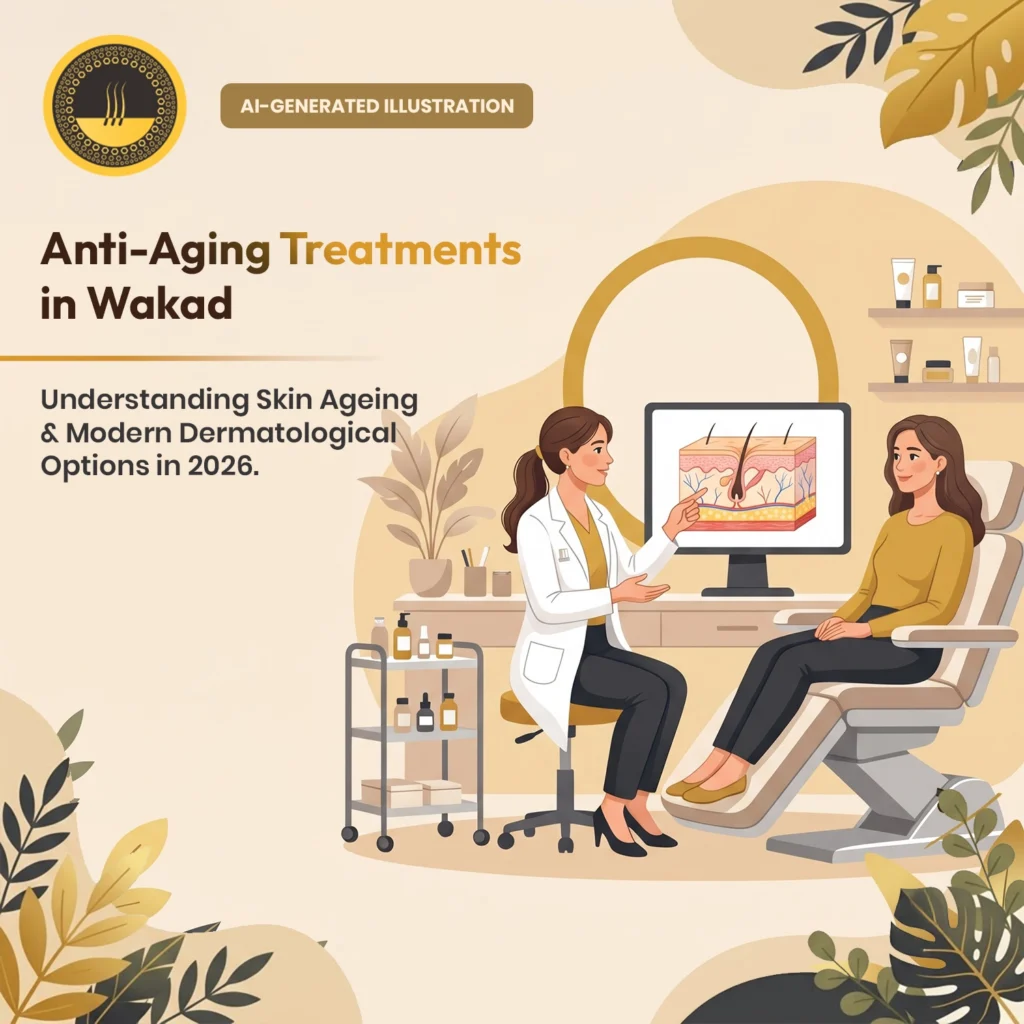
With developments in dermatology and aesthetic medicine, several treatment options are available to address specific signs of skin ageing. Individuals researching an anti-aging clinic in Wakad should understand the available procedures, their suitability, possible risks, and expected outcomes before making a treatment decision.
A dermatological assessment helps identify individual skin concerns and determine appropriate treatment options.
Skin ageing occurs through a combination of natural biological changes and external environmental influences.
Common contributing factors include:
Visible signs of ageing vary between individuals but may include:
Understanding the specific concern is important because different signs of ageing may require different treatment approaches.
Several dermatological and aesthetic procedures may help manage visible signs of skin ageing. The appropriate option depends on skin type, medical history, treatment goals, and individual suitability.
1. Botox and Botulinum Toxin Treatments
Botulinum toxin injections temporarily reduce the activity of selected facial muscles. They are commonly used to improve dynamic wrinkles, including forehead lines, frown lines, and crow’s feet.
The effect is temporary and generally lasts around three to four months, although individual results vary.
Possible side effects include temporary bruising, swelling, headache, and unwanted muscle weakness. Treatment should be performed by an appropriately qualified medical professional following an assessment.
2. Dermal Fillers
Dermal fillers are injectable substances used to restore selected areas of facial volume and soften certain facial lines.
Hyaluronic acid fillers are commonly used for areas such as the cheeks, lips, and selected facial folds.
Results and duration depend on the product, injection area, and individual response. Possible complications include swelling, bruising, lumps, infection, and, rarely, serious vascular complications.
3. Laser Skin Rejuvenation
Laser procedures use controlled light energy to target specific skin concerns.
Depending on the technology, they may be used to address:
Uneven pigmentation.
Sun-related skin damage.
Fine lines.
Certain types of acne scars.
Irregular skin texture.
Different lasers have different applications and recovery requirements. Possible side effects include redness, swelling, burns, and changes in pigmentation.
A skin assessment is particularly important when selecting laser treatments for different skin tones.
4. PRP (Platelet-Rich Plasma) Therapy
PRP therapy involves collecting a blood sample, processing it to concentrate platelets, and administering the preparation into selected areas of the skin.
It is used in some aesthetic settings as a supportive skin rejuvenation procedure. However, clinical evidence regarding its benefits for facial ageing remains variable, and results are not predictable for everyone.
The procedure should be considered only after discussing its potential benefits, limitations, and risks.
5. Chemical Peels
Chemical peels involve applying selected chemical solutions to the skin to produce controlled exfoliation.
Depending on the formulation and depth, they may help improve:
Uneven skin tone.
Mild pigmentation.
Certain types of fine lines.
Surface texture.
Dull-looking skin.
The strength of the peel should be selected according to the skin condition and individual skin characteristics. Temporary redness, dryness, irritation, and post-inflammatory pigmentation may occur.
6. Non-Surgical Skin Tightening
Certain energy-based procedures use radiofrequency or ultrasound technology to deliver controlled energy into selected skin layers.
These procedures may be considered for individuals with mild skin laxity. The degree of improvement varies according to the device, treatment area, and individual skin condition.
Non-surgical skin tightening does not produce the same results as surgical lifting procedures and should be selected with realistic expectations.
Before undergoing anti-aging treatment in Wakad, a dermatologist should evaluate the skin and identify the primary concern.
A consultation may help determine:
Not every individual requires cosmetic procedures. In many cases, consistent skincare and sun protection are important first steps.
Daily skincare habits play an important role in maintaining skin health and reducing environmental damage.
Before selecting an anti-aging treatment provider, consider the qualifications and medical registration of the treating professional, the suitability of the recommended procedure, and the availability of appropriate follow-up care.
Patients should receive clear information about treatment costs, possible side effects, recovery time, expected outcomes, and alternative options.
It is important to avoid making decisions based solely on promotional claims or promises of instant and guaranteed rejuvenation.
Skin ageing is a natural process influenced by biological, genetic, and environmental factors. Modern dermatological treatments offer different approaches to managing wrinkles, pigmentation, uneven texture, and reduced skin firmness.
Individuals researching anti-aging treatments in Wakad should prioritise professional skin assessment, evidence-based procedures, and realistic expectations. A suitable combination of daily skincare, sun protection, and selected dermatological treatments may help maintain skin health and address specific signs of ageing.
Book a consultation today and take the first step toward healthier skin and hair.
There is no fixed age for starting anti-aging treatment. Suitability depends on individual skin concerns, skin condition, and medical assessment. Daily sun protection and appropriate skincare are useful at every age.
Botulinum toxin treatment generally produces temporary effects lasting around three to four months. The duration varies depending on the treatment area, dosage, and individual response.
No. Different skin types have different risks of irritation and pigmentation changes. A dermatologist should assess skin characteristics before recommending a peel or laser procedure.
Skincare products cannot stop natural ageing. However, regular sunscreen use, moisturisers, and selected active ingredients such as retinoids may help manage certain signs of photoageing and support skin health.
Get advanced hair care solutions from a trusted hair clinic in Wakad and restore your confidence.
Get a Free Quote
Copyright © 2026 regainhairandskin.in, design & developed by Codigix