
G11074 – Cosmetologist
Pimples and acne are common skin conditions that affect teenagers and adults. They may appear as blackheads, whiteheads, inflamed pimples, or deeper painful lesions. Although acne is often associated with puberty, hormonal changes and other factors can cause breakouts at different stages of life.
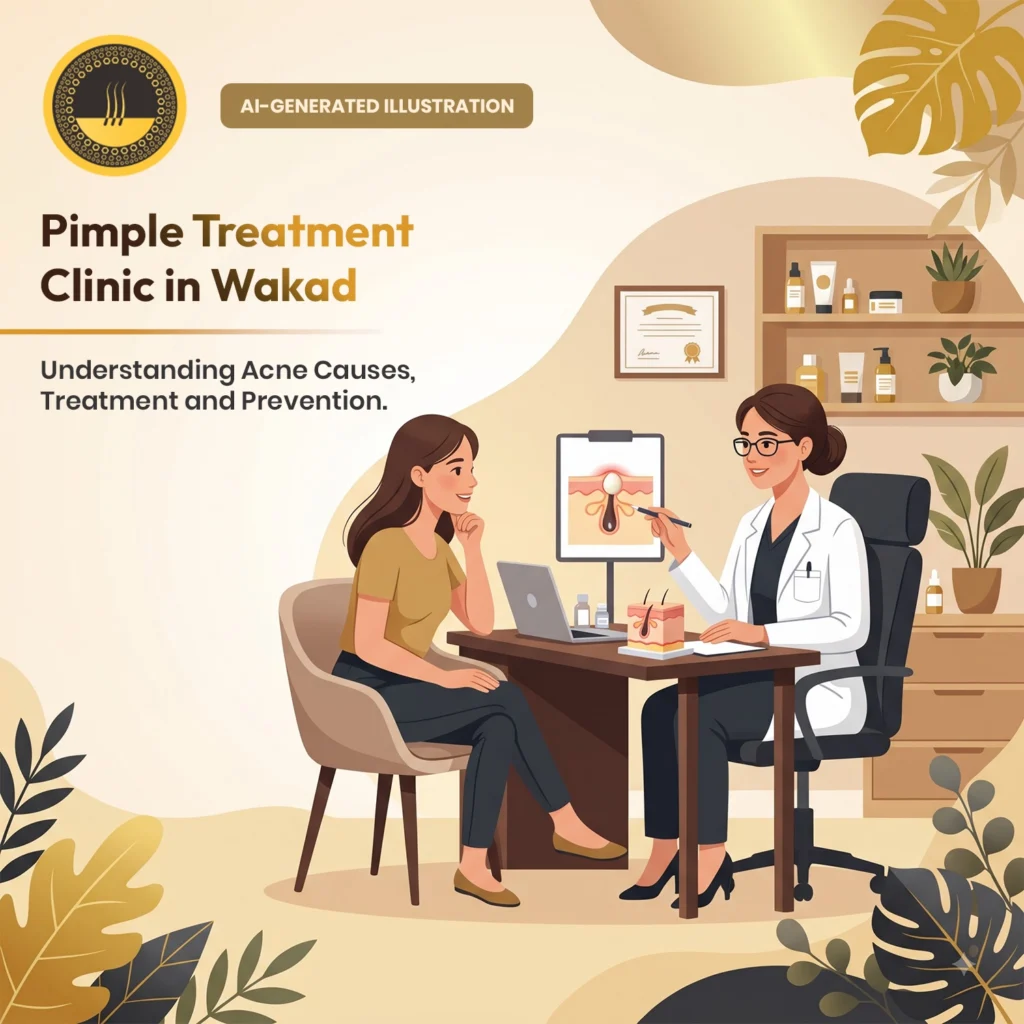
Persistent acne may also lead to dark spots, changes in skin texture, and permanent scarring. Individuals searching for a pimple treatment clinic in Wakad should understand the causes of acne and the available dermatological treatment options before selecting a suitable approach.
A dermatologist can examine the skin, identify the type of acne, and recommend treatment based on its severity and individual skin requirements.
Acne can range from mild occasional breakouts to severe inflammatory lesions. While some mild cases may improve with appropriate skincare, persistent or moderate-to-severe acne may require medical treatment.
If left unmanaged, inflammatory acne can increase the risk of:
Early assessment helps identify the appropriate treatment and may reduce the likelihood of long-term complications.
Acne develops when hair follicles become blocked with excess sebum (skin oil) and dead skin cells. The activity of Cutibacterium acnes bacteria and inflammation also contribute to acne development.
Several factors may influence this process.
1. Hormonal Changes
Hormonal fluctuations can increase oil production in the skin. This is commonly observed during puberty, menstruation, pregnancy, and certain hormonal conditions such as polycystic ovary syndrome (PCOS).
Hormonal acne often affects the chin, jawline, and lower facial areas, although its distribution varies.
2. Excess Oil Production and Clogged Pores
Sebaceous glands produce natural oils that help maintain skin moisture. Excess sebum, combined with dead skin cells, can block hair follicles and contribute to blackheads, whiteheads, and inflammatory pimples.
3. Bacterial Activity and Inflammation
Cutibacterium acnes naturally lives on human skin. When follicles become blocked, changes in the follicular environment can promote inflammation and contribute to acne lesions.
Acne is not simply caused by poor hygiene and should not be treated by repeatedly washing or scrubbing the face.
4. Stress and Lifestyle Factors
Psychological stress may worsen existing acne in some individuals. Sleep disturbances and certain lifestyle habits can also influence overall skin health.
Dietary factors, including high-glycaemic foods, may contribute to acne in some people, although individual responses vary.
The appropriate treatment depends on acne severity, skin type, medical history, and whether scarring or pigmentation is present.
1. Medical Acne Treatment
Dermatologists may recommend topical or oral medications depending on the type and severity of acne.
Common options include:
Benzoyl peroxide to reduce acne-causing bacterial activity.
Topical retinoids to help prevent clogged pores.
Azelaic acid to manage acne and associated pigmentation.
Topical antibiotics in selected cases, generally alongside benzoyl peroxide.
Oral medications for certain moderate or severe acne cases.
Prescription treatments such as oral isotretinoin require careful medical supervision because of potential side effects and important precautions.
2. Chemical Peels
Chemical peels involve applying selected chemical solutions to the skin to promote controlled exfoliation.
Depending on the formulation, they may be considered for certain types of acne, clogged pores, and post-acne pigmentation.
The choice of peel depends on skin sensitivity, acne severity, and skin type. Temporary redness, dryness, irritation, or pigmentation changes may occur.
3. Laser and Light-Based Treatments
Certain laser and light-based procedures may be used as supportive treatments for selected acne conditions or acne scars.
Their effectiveness varies depending on the technology and type of acne. They are not suitable as a replacement for standard medical acne treatment in every patient.
A dermatologist should explain the expected benefits, limitations, and possible side effects before recommending these procedures.
4. Acne Scar Treatments
Acne scars may remain even after active breakouts have improved. Depending on the scar type, dermatologists may consider procedures such as microneedling, fractional laser treatment, or other scar-management techniques.
Treatment selection depends on whether the scars are atrophic, raised, or associated with pigmentation.
5. Personalised Skincare Management
A suitable skincare routine supports medical acne treatment and helps reduce irritation.
It may include a gentle cleanser, non-comedogenic moisturiser, and broad-spectrum sunscreen. Additional products should be selected according to the individual’s skin condition.
Consulting a dermatologist at a pimple treatment clinic in Wakad can help individuals understand the nature of their acne and avoid unsuitable self-treatment.
A professional evaluation may help:
Acne treatment often requires consistency and regular follow-up. Improvement may take several weeks, depending on the treatment and individual response.
Along with appropriate medical care, certain daily habits can support skin health.
These practices may help reduce irritation and support acne management but cannot independently prevent every type of breakout.
Before starting acne treatment, patients should consider the qualifications of the treating dermatologist, the quality of the skin assessment, and the suitability of the proposed treatment.
It is important to understand the treatment duration, possible side effects, expected outcomes, and follow-up requirements. Patients should also receive clear information about the costs of consultations, medications, and procedures.
Treatment should be based on medical assessment rather than promises of instant or guaranteed clear skin.
Pimples and acne can develop due to hormonal changes, excess sebum production, blocked pores, bacterial activity, and inflammation. Appropriate treatment depends on the type and severity of acne, along with individual skin characteristics.
Individuals searching for a pimple treatment clinic in Wakad should prioritise accurate diagnosis, evidence-based treatment, and consistent skincare. Early dermatological evaluation can help manage active acne, address pigmentation, and reduce the risk of long-term scarring.
Book a consultation today and take the first step toward healthier skin and hair.
Treatment depends on acne severity and skin type. Options may include topical retinoids, benzoyl peroxide, azelaic acid, prescription medications, and selected dermatological procedures.
Yes. Severe or inflammatory acne can damage deeper skin structures and leave permanent scars. Early treatment and avoiding the habit of picking pimples may help reduce this risk.
Many acne treatments require approximately 6–8 weeks before noticeable improvement. More significant improvement may take several months, depending on the condition and treatment approach.
Chemical peels may help selected individuals with certain types of acne, clogged pores, and post-inflammatory pigmentation. Their suitability depends on skin type and the nature of the skin concern. A dermatologist should assess the skin before treatment.
Get expert care from a trusted pimple treatment clinic in Wakad and achieve healthy, glowing skin.
Get a Free Quote
Copyright © 2026 regainhairandskin.in, design & developed by Codigix