
G11074 – Cosmetologist
Eyebrows play an important role in facial appearance and expression. However, factors such as genetics, ageing, over-plucking, hormonal changes, and certain medical conditions can result in sparse or uneven eyebrows.
For individuals who want to improve eyebrow definition without applying makeup every day, microblading is one of the available cosmetic options. It is a semi-permanent eyebrow enhancement procedure that creates fine, hair-like strokes using specialised instruments and pigment.
Before considering eyebrow microblading in Wakad, it is important to understand the procedure, preparation, healing process, possible risks, and aftercare requirements. Being informed can help individuals make appropriate decisions based on their skin type and expectations.
Eyebrow microblading is a cosmetic tattooing technique in which pigment is deposited into the superficial layers of the skin using a specialised handheld instrument containing fine needles.
The procedure creates strokes that resemble natural eyebrow hairs, helping improve the appearance of sparse or uneven brows.
Unlike conventional eyebrow makeup, microblading does not need to be applied daily. However, it is not permanent, and the pigment gradually fades over time.
The duration of visible results varies depending on skin type, pigment characteristics, sun exposure, lifestyle, and aftercare.
Microblading is considered by individuals who want to improve eyebrow shape and definition.
Some common reasons include:
The procedure is primarily cosmetic. It does not stimulate natural eyebrow hair growth or treat medical causes of eyebrow hair loss.
1. Microblading Is a Semi-Permanent Procedure
Microblading deposits pigment into the skin, where it gradually fades over time.
Visible results may last approximately 12–18 months in some individuals, although the duration varies considerably. Skin type, pigment selection, sun exposure, and individual healing responses influence pigment retention.
Periodic touch-ups may be considered depending on the fading pattern and the individual’s preference.
2. Eyebrow Shape and Design Require Planning
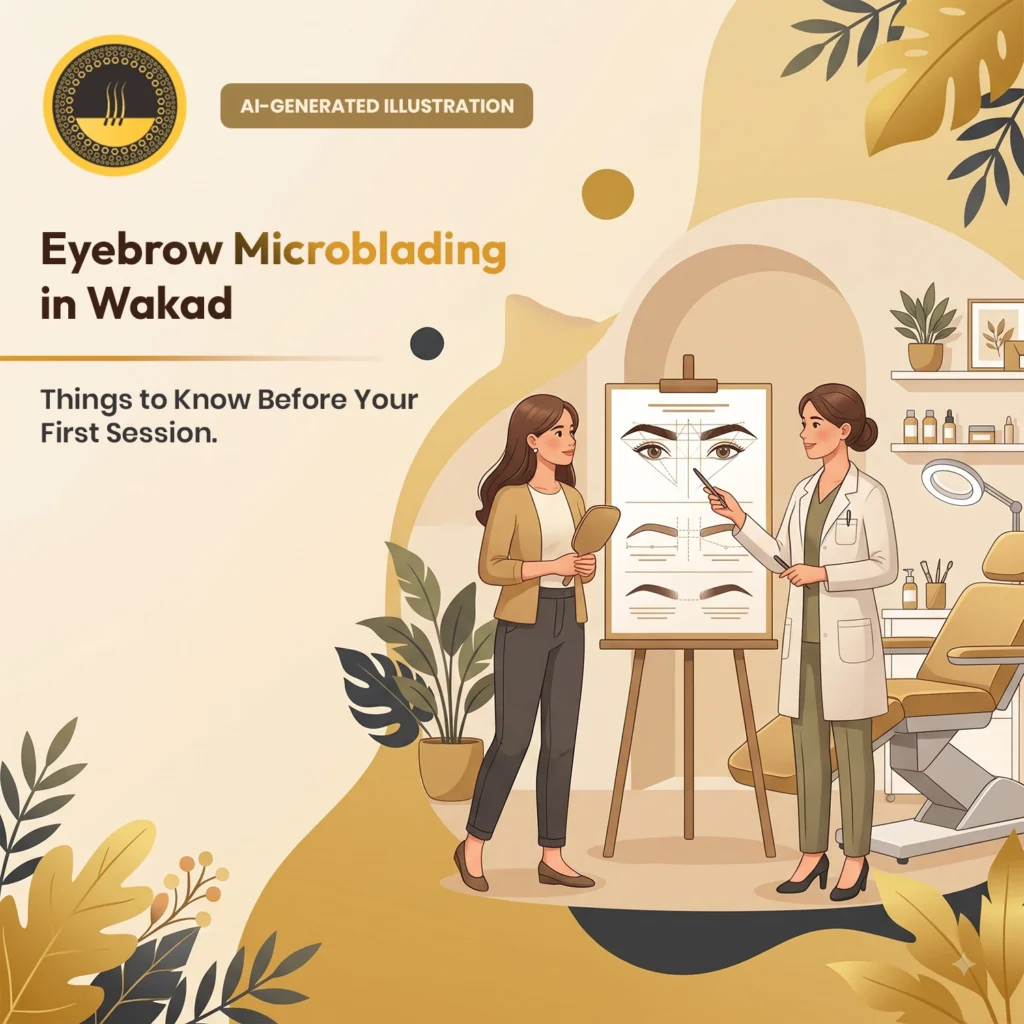
Eyebrow mapping is an important preparation step. The proposed shape is assessed according to facial proportions, natural eyebrow growth, symmetry, and individual preferences.
Before the procedure, individuals should discuss the desired shape, thickness, arch, and colour with the practitioner.
The final design should complement natural facial features rather than follow a trend that may not suit everyone.
3. Some Discomfort May Occur
Microblading involves creating small superficial incisions in the skin to deposit pigment. Individuals may experience discomfort, tenderness, or mild irritation during the procedure.
A topical anaesthetic may be used when appropriate. However, sensitivity varies between individuals.
Any history of allergies, skin sensitivity, or reactions to topical anaesthetics should be discussed beforehand.
4. The Healing Process Takes Time
Immediately after microblading, the eyebrows may appear darker or more defined than the intended healed result.
During healing, individuals may experience mild redness, tenderness, dryness, and temporary flaking.
Pigment appearance may change as the skin heals. The final appearance should be assessed only after the healing process is sufficiently complete.
Following the recommended aftercare instructions is important for reducing irritation and supporting proper healing.
5. A Follow-Up Session May Be Required
A follow-up appointment may be recommended after the initial healing period to assess pigment retention and determine whether any adjustments are appropriate.
The timing depends on the procedure, healing response, and practitioner’s assessment.
Touch-up sessions are not automatically necessary for everyone and should be planned according to individual requirements.
Microblading may be considered by individuals who:
However, the procedure may not be suitable for everyone.
Individuals with active skin infections, eczema, dermatitis, or inflammation around the eyebrow area should generally postpone treatment until the condition is appropriately managed.
People with a history of keloid formation, pigment allergies, bleeding disorders, or certain medical conditions should discuss their suitability with an appropriately qualified healthcare professional.
Pregnancy, breastfeeding, and certain medications may also require additional consideration.
Although microblading is a cosmetic procedure, it involves breaking the skin barrier and is not completely risk-free.
Possible complications include:
Sterile, single-use instruments, appropriate infection-control practices, and suitable pigment selection are important considerations.
Individuals should seek medical attention if they develop increasing pain, spreading redness, pus, fever, or other signs of infection.
Proper aftercare supports the healing process and helps minimise complications.
Recommended precautions may include:
Avoid applying excessive moisture or completely preventing water contact unless specifically instructed. Aftercare should be appropriate to the technique and individual healing response.
Before undergoing eyebrow microblading, individuals should check the practitioner’s training, experience, hygiene practices, and knowledge of skin-related complications.
Important considerations include the use of sterile, single-use needles, appropriate pigment handling, allergy history assessment, clear consent procedures, and transparent information about possible risks and costs.
A consultation before treatment allows individuals to understand the procedure and discuss whether it is suitable for their skin and expectations.
Eyebrow microblading is a semi-permanent cosmetic procedure that can improve the appearance of sparse or uneven eyebrows by creating fine, hair-like pigment strokes.
Individuals researching eyebrow microblading in Wakad should understand the preparation, healing process, possible complications, and long-term pigment changes before proceeding.
An informed consultation, appropriate hygiene practices, realistic expectations, and proper aftercare are important considerations when making a decision about this cosmetic procedure.
Book a consultation today and take the first step toward healthier skin and hair.
Visible pigment may last approximately 12–18 months in some individuals. However, fading depends on skin type, pigment characteristics, sun exposure, and individual healing responses.
Some discomfort or tenderness may occur because the procedure involves superficial skin incisions. A suitable topical anaesthetic may be used when appropriate, although individual sensitivity varies.
Initial healing generally takes around 7–14 days, although complete pigment settling may take several weeks. Healing timelines differ between individuals.
No. Skin type, existing skin conditions, medical history, and individual healing characteristics influence suitability. A consultation and assessment are recommended before undergoing the procedure.
Enhance your look with expert eyebrow microblading in Wakad.
Get a Free Quote
Copyright © 2026 regainhairandskin.in, design & developed by Codigix