
G11074 – BHMS, DCA(diploma in clinical aesthetics)
Skin, hair, and scalp concerns range from occasional acne and pigmentation to persistent rashes, hair thinning, and infections. Some conditions improve with basic care, while others require medical evaluation to identify their cause and determine appropriate management.
A dermatologist is a medical specialist trained to diagnose and manage conditions affecting the skin, hair, nails, and scalp. The appropriate approach depends on the condition, its severity, medical history, and individual circumstances.
Although online searches can provide general information, similar symptoms may arise from different conditions. Professional assessment can help distinguish between them and reduce the risk of inappropriate self-treatment.
Acne and Acne Scars
Acne develops when hair follicles become blocked with oil and dead skin cells. Hormonal changes, inflammation, and genetic factors can contribute to breakouts.
Persistent or inflammatory acne may leave dark marks or structural scars. Dark marks involve changes in pigmentation, while scars affect the structure of the skin. These concerns may require different treatment approaches depending on their characteristics.
Pigmentation and Uneven Skin Tone
Pigmentation can develop due to sun exposure, hormonal influences, and inflammation following acne or other skin conditions. Melasma and post-inflammatory hyperpigmentation are examples of conditions that cause darker patches or marks.
Management depends on the underlying cause and individual skin characteristics. Some procedures can worsen pigmentation in susceptible individuals, making assessment important before treatment.
Eczema, Psoriasis, and Skin Infections
Redness, itching, scaling, and rashes can occur in several skin conditions. Eczema and psoriasis are inflammatory disorders, whereas fungal infections have different causes and may require specific treatment.
Because these conditions can look similar, choosing a treatment based only on appearance may delay appropriate care. Persistent or worsening symptoms should be evaluated by a qualified healthcare professional.
Hair Loss and Scalp Conditions
Hair thinning, excessive shedding, dandruff, and scalp irritation can have several causes, including hereditary factors, nutritional deficiencies, hormonal changes, illness, medications, and scalp disorders.
An assessment can help distinguish temporary shedding from progressive hair loss and determine whether further investigation or treatment may be appropriate.
Consider seeking medical advice if a skin or hair concern persists, recurs frequently, worsens, or begins to affect your comfort and daily life.
Examples include acne that does not improve with basic skincare, recurring rashes, persistent pigmentation, significant hair shedding, scalp irritation, and unexplained skin changes.
New or noticeably changing skin lesions should be assessed rather than automatically treated as cosmetic concerns. Sudden hair loss, painful skin changes, or signs of infection may require timely medical attention.
An assessment does not automatically mean medication or a procedure will be necessary. Its purpose is to understand the condition and identify appropriate next steps.
Treatment depends on the diagnosis, individual health factors, and severity of the concern. Not every skin or hair problem requires a procedure, and the same approach may not be suitable for everyone.
Skincare and Medication
Depending on the condition, management may involve gentle skincare, moisturizers, sun protection, topical medicines, or oral medication.
Prescription treatments should be selected according to the diagnosis and used with appropriate medical guidance. Frequent product changes, aggressive exfoliation, and combining several strong skincare ingredients may irritate the skin.
A suitable routine should take individual skin characteristics and treatment requirements into account.
Dermatological Procedures
Chemical peels, microneedling, and selected laser-based procedures may be considered for certain concerns, including some types of pigmentation, acne scars, and uneven skin texture.
These procedures have different purposes and limitations. Suitability depends on the condition, skin characteristics, and potential risks. Irritation, pigmentation changes, and other complications are possible.
Expected benefits, recovery requirements, and alternatives should be discussed before treatment. No procedure can guarantee complete correction of every skin concern.
Hair and Scalp Management
Hair-related treatment depends on the underlying cause. Options may include medical management, treatment of an underlying condition, correction of an identified nutritional deficiency, or selected hair-restoration procedures.
Platelet-rich plasma (PRP) therapy may be considered for certain types of hair loss, but it is not appropriate for every condition, and outcomes vary. Hair transplantation is also suitable only for selected individuals following an appropriate assessment.
When selecting a dermatology clinic, consider the healthcare professional’s verified qualifications, medical registration, relevant experience, and approach to patient care.
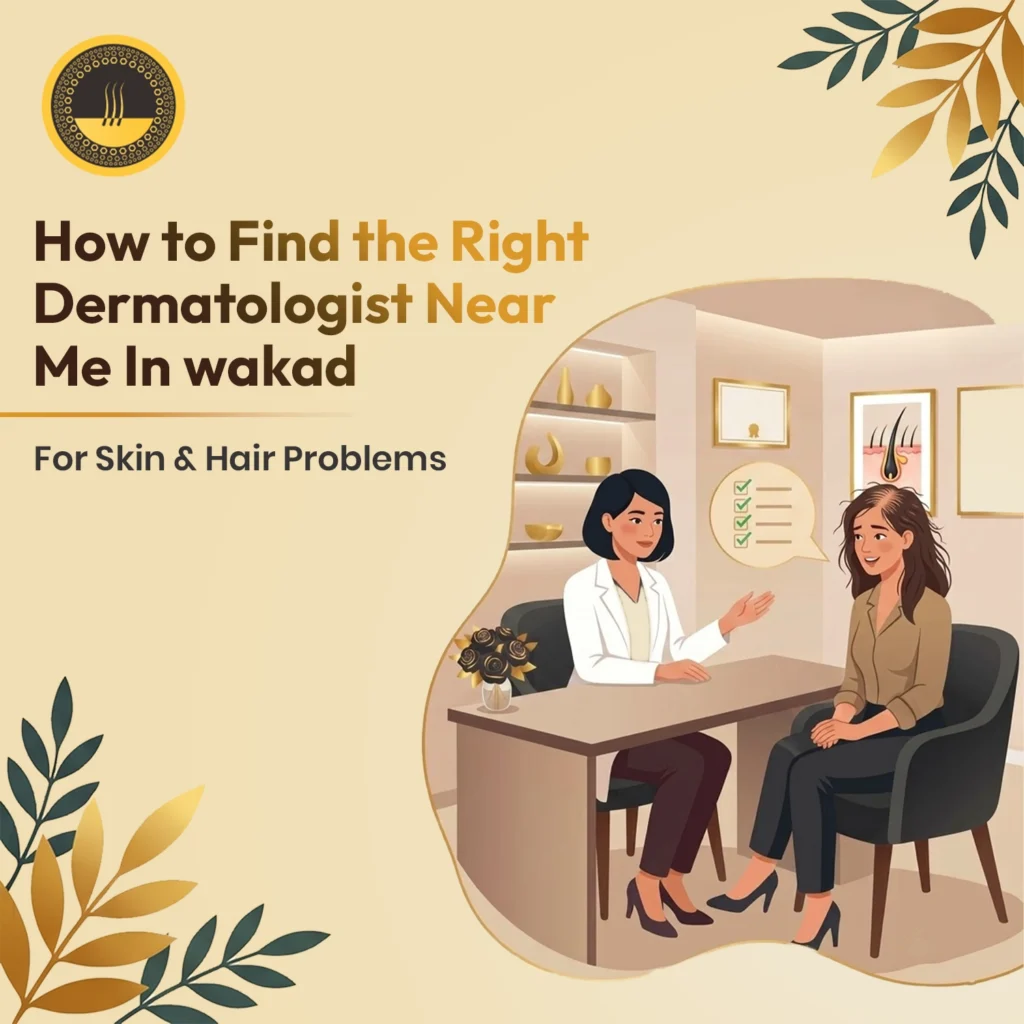
A suitable consultation should provide an opportunity to discuss symptoms, medical history, previous treatments, and expectations. The healthcare professional should explain the likely diagnosis, available options, potential side effects, and realistic treatment timelines.
Be cautious about claims promising instant results, guaranteed outcomes, or permanent correction of every skin or hair concern. Treatment responses differ, and some conditions require ongoing management.
Location may matter when follow-up appointments are needed, but convenience should be considered alongside professional qualifications, appropriate diagnosis, and safe treatment practices.
A consultation generally begins with a discussion about the main concern, when it started, previous treatments, skincare products, medications, and relevant medical history.
The healthcare professional may examine the affected skin or scalp and determine whether additional investigations are needed. Depending on the findings, management may involve skincare advice, medication, a procedure, or further evaluation.
This is also an opportunity to ask why a treatment is being considered, whether alternatives exist, what side effects may occur, and how progress will be assessed.
A suitable treatment plan should be based on the individual’s condition rather than a standard package applied to everyone.
Book a consultation today and take the first step toward healthier skin and hair.
Consider verified qualifications, medical registration, relevant experience, and whether the healthcare professional explains treatment options, risks, and limitations clearly.
Dermatologists assess conditions affecting the skin, hair, nails, and scalp, including acne, pigmentation, eczema, psoriasis, infections, and hair loss.
Consider an assessment if shedding persists, hair density decreases, bald patches appear, or scalp symptoms develop. The cause determines the appropriate next steps.
Yes. Dermatologists are trained to assess conditions affecting the skin, hair, nails, and scalp. The appropriate evaluation depends on the specific concern.
Understanding the cause of a skin or hair concern is an important step towards making informed decisions about management. A qualified healthcare professional can assess individual needs and discuss suitable options.
Disclaimer: This article is for general educational purposes only and does not replace professional medical advice, diagnosis or treatment. Consult a qualified healthcare professional for individual assessment. Treatment outcomes vary.
Get a Free Quote
Copyright © 2026 regainhairandskin.in, design & developed by Codigix