
G11074 – Cosmetologist
Hair fall and thinning hair are common concerns affecting both men and women. Factors such as genetics, hormonal changes, nutritional deficiencies, stress, medical conditions, and scalp disorders can influence hair growth and contribute to excessive shedding.
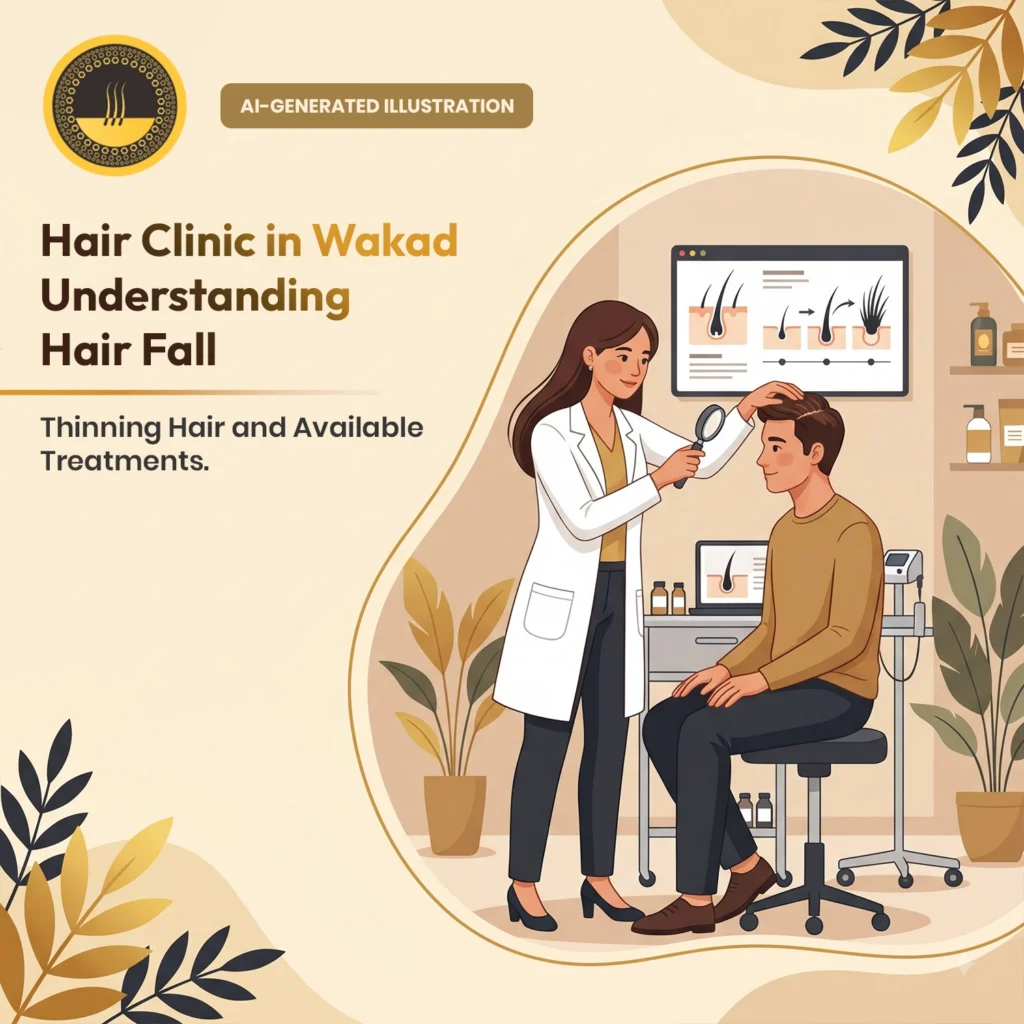
Although some hair shedding is part of the natural hair growth cycle, persistent or excessive hair loss may require medical evaluation. Individuals searching for a hair clinic in Wakad should understand the possible causes of hair fall, available treatment options, and the importance of early diagnosis.
A dermatologist can assess scalp health, identify underlying conditions, and recommend appropriate treatment based on individual requirements.
Hair loss can develop gradually or occur suddenly, depending on its underlying cause. Identifying the reason is important because different types of hair loss require different treatment approaches.
1. Stress and Lifestyle Factors
Physical or emotional stress can disrupt the normal hair growth cycle and lead to a condition known as telogen effluvium. This may cause increased hair shedding, sometimes appearing several months after a stressful event.
Poor sleep, sudden weight loss, illness, and significant lifestyle changes may also contribute to temporary hair shedding.
2. Hormonal Changes
Hormonal fluctuations can influence hair growth and density. Conditions such as thyroid disorders, polycystic ovary syndrome (PCOS), and postpartum hormonal changes may contribute to hair thinning.
A medical evaluation can help identify hormonal or other underlying conditions that require treatment.
3. Nutritional Deficiencies
Hair growth requires adequate nutrition. Deficiencies involving iron, protein, vitamin B12, vitamin D, and other nutrients may contribute to hair loss in some individuals.
Depending on the medical history and symptoms, a dermatologist may recommend appropriate blood investigations before suggesting nutritional supplementation.
4. Genetic Hair Loss
Androgenetic alopecia, commonly known as pattern hair loss, is a hereditary condition affecting both men and women.
It generally develops gradually and may cause a receding hairline, thinning at the crown, or reduced hair density across the scalp. Early medical evaluation can help determine suitable treatment options.
5. Scalp Conditions
Dandruff, seborrhoeic dermatitis, fungal infections, psoriasis, and other inflammatory scalp conditions may contribute to itching, irritation, and hair shedding.
Treating the underlying scalp condition is an important part of managing associated hair loss.
Treatment depends on the cause, severity, and duration of hair loss. A dermatologist may recommend medical management, supportive therapies, or surgical procedures depending on the diagnosis.
1. Medical Treatment
Medications such as topical minoxidil may be recommended for certain types of hair loss. Oral medications, including finasteride in appropriate patients, may also be considered after evaluating their suitability, potential side effects, and contraindications.
Treatment response varies, and medical supervision is important.
2. PRP (Platelet-Rich Plasma) Therapy
PRP therapy involves collecting a small blood sample, processing it to concentrate platelets, and administering the preparation into selected areas of the scalp.
It is used as an adjunctive treatment for certain types of hair thinning. However, the degree of benefit varies, and further research is needed to establish standardised treatment protocols.
3. Hair Transplantation
Hair transplantation is a surgical option for selected individuals experiencing pattern hair loss or certain forms of permanent hair loss.
The procedure involves transferring hair follicles from a donor area to areas affected by hair loss. Techniques such as Follicular Unit Extraction (FUE) and Direct Hair Implantation (DHI) may be considered depending on individual suitability.
A medical assessment is necessary to evaluate donor hair availability, scalp condition, and expected outcomes.
4. Mesotherapy
Hair mesotherapy involves administering selected substances into the superficial layers of the scalp. Its use in hair loss management varies, and scientific evidence supporting its effectiveness remains limited.
Patients should understand the available evidence, potential side effects, and treatment limitations before considering this procedure.
5. Low-Level Laser Therapy
Low-level laser therapy uses specific wavelengths of light to target the scalp. It may be considered as a supportive treatment for certain types of hair thinning.
Results vary between individuals, and it should not be considered a replacement for appropriate medical treatment.
Persistent hair fall should not be ignored, particularly when it is associated with visible thinning, bald patches, scalp irritation, or sudden changes in hair density.
A timely consultation at a hair clinic in Wakad can help identify the underlying cause and determine suitable management options.
Early evaluation may help:
Not all types of hair loss are preventable, and treatment outcomes depend on the underlying condition.
Along with appropriate medical treatment, healthy lifestyle habits can support overall hair and scalp health.
These measures support general hair health but may not independently treat genetic or medical causes of hair loss.
Before starting any hair fall treatment, consider the qualifications of the treating dermatologist or medical professional, the quality of the clinical assessment, and the evidence supporting the proposed procedure.
Patients should receive clear information about treatment options, expected outcomes, possible complications, costs, and follow-up requirements.
A proper consultation should focus on identifying the cause of hair loss rather than recommending the same treatment to every individual.
Hair fall and thinning hair can develop due to several underlying factors, including genetics, hormonal changes, nutritional deficiencies, stress, and scalp conditions. Understanding the cause is the first step towards selecting an appropriate treatment.
Individuals searching for a hair clinic in Wakad should prioritise medical diagnosis, evidence-based treatment options, and realistic expectations. With appropriate evaluation and individualised management, many forms of hair loss can be addressed through suitable medical or surgical approaches.
Book a consultation today and take the first step toward healthier skin and hair.
Consult a dermatologist if hair fall is persistent, excessive, or accompanied by visible thinning, bald patches, scalp irritation, or sudden changes in hair density.
Treatment depends on the underlying cause. Options may include medical treatment, PRP therapy, low-level laser therapy, or hair transplantation in selected cases. A medical assessment helps determine suitability.
PRP therapy may improve certain forms of hair thinning in some individuals. However, treatment response varies, and its effectiveness depends on the underlying condition and individual factors.
A balanced diet, adequate sleep, and stress management support general hair health. Correcting nutritional deficiencies may help when they contribute to hair loss. However, genetic and certain medical causes require specific treatment.
Get advanced hair care solutions from a trusted hair clinic in Wakad and restore your confidence.
Get a Free Quote
Copyright © 2026 regainhairandskin.in, design & developed by Codigix