
G11074 – BHMS, DCA(diploma in clinical aesthetics)
Hair loss can be concerning, particularly when you notice increased shedding, a widening hair part, thinning around the crown or a receding hairline. Although some hair shedding is part of the normal growth cycle, persistent or noticeable changes in hair density may require assessment.
Hair loss can develop due to hereditary factors, hormonal changes, nutritional deficiencies, illness, stress, medications, or scalp conditions. Since these causes differ, there is no single treatment suitable for everyone.
Understanding the underlying cause is an important first step towards informed decisions about hair and scalp health.
Hereditary Pattern Hair Loss
Androgenetic alopecia, also called hereditary or pattern hair loss, is a common cause of gradual thinning in men and women.
Men may notice a receding hairline or thinning around the crown, while women may experience reduced density around the central parting. The pattern and progression vary between individuals and are influenced by genetic factors and sensitivity to hormones.
Stress, Illness, and Temporary Shedding
Physical or emotional stress can affect the hair growth cycle. Increased shedding may occur following a significant illness, fever, surgery, substantial weight loss or major dietary changes.
This shedding may become noticeable several weeks or months after the triggering event. Recovery depends on the underlying cause and individual circumstances.
Nutritional and Hormonal Factors
Inadequate nutritional intake and certain deficiencies, including iron deficiency, may contribute to hair loss. Thyroid disorders and other hormonal or medical conditions can also influence hair growth.
However, hair loss does not automatically indicate a vitamin deficiency. Investigations and supplements should be guided by clinical findings rather than assumptions.
Scalp Conditions and Other Medical Factors
Inflammatory scalp conditions, infections, and certain medications may contribute to hair loss. Alopecia areata, an autoimmune condition, can cause distinct patches of hair loss.
Different conditions may produce similar symptoms, so assessment is important before selecting a treatment.
Temporary shedding and progressive thinning are not always the same problem. Some people experience increased shedding after an illness, while others develop gradual changes in hair density. Multiple factors may also contribute simultaneously.
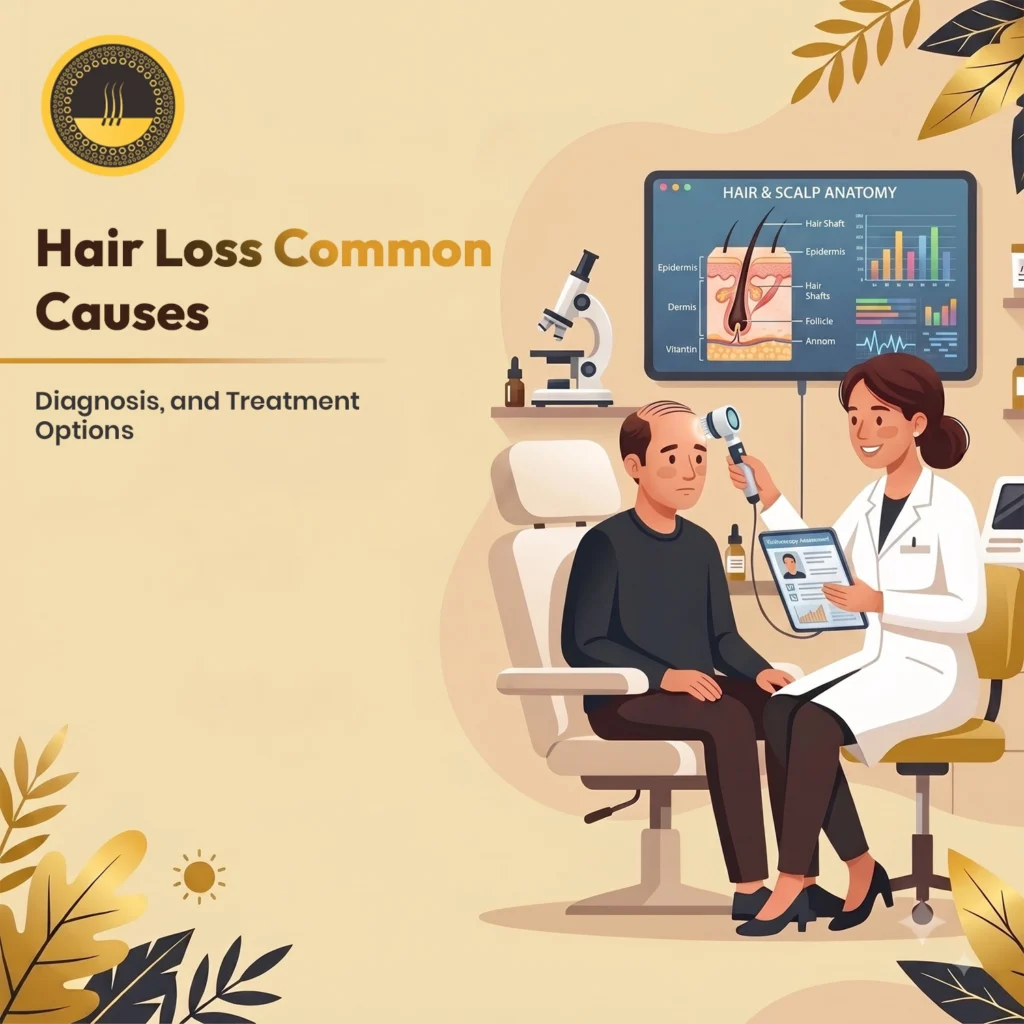
During an assessment, a healthcare professional may ask when the hair loss began, whether it is progressing, whether there is a family history, and whether recent illnesses, dietary changes, or medication adjustments have occurred.
The scalp and distribution of hair loss may be examined. Depending on the findings, blood tests or other investigations may be considered.
Identifying the likely cause helps guide appropriate management and reduces the risk of unnecessary treatments.
Treatment depends on the diagnosis, duration and severity of hair loss, and individual health factors.
Medical Treatments
Depending on the condition, a healthcare professional may discuss appropriate topical or oral medications. The choice depends on the diagnosis, potential side effects, medical history, and other relevant considerations.
Medications should not be started, combined, or discontinued without appropriate professional guidance.
Platelet-Rich Plasma (PRP) Therapy
PRP therapy involves collecting a blood sample, processing it to concentrate platelets, and administering the prepared plasma into selected areas of the scalp.
PRP has been studied for certain types of hair loss, particularly hereditary pattern hair loss. Some individuals may experience improvements in hair density or thickness, but the evidence and treatment protocols vary. Results cannot be guaranteed, and PRP is not suitable for every cause of hair loss.
Hair Restoration Procedures
Hair transplantation may be considered in selected cases. Suitability depends on the diagnosis, the extent of hair loss, the availability of suitable donor hair, and other individual factors.
Not everyone experiencing thinning requires a procedure. Understanding the cause, alternatives, potential risks, and expected outcomes is important before making a treatment decision.
An assessment generally includes a discussion of the pattern and duration of shedding, medical and family history, lifestyle factors, medications, and previous treatments.
A healthcare professional may examine the scalp and hair density to help determine the likely cause. Additional investigations may be recommended when the history or examination suggests an underlying condition.
A suitable management plan should explain the available options, potential benefits, limitations, possible adverse effects, and realistic expectations.
Consider seeking medical advice if shedding persists, hair density decreases, the scalp becomes more visible, or the hairline changes noticeably.
Sudden hair loss, distinct bald patches, scalp pain, significant itching, or visible inflammation also warrant assessment. These changes can have different causes and may require different approaches.
Early evaluation may help identify a treatable underlying factor. However, assessment does not automatically mean that medication, PRP, or hair transplantation will be necessary.
Hair loss can affect confidence and emotional well-being. Choosing a treatment based only on online claims may not address the underlying cause.
Responses vary according to the condition, individual health, and contributing factors. Some forms of hair loss require ongoing management, while temporary shedding may improve when the underlying trigger resolves.
The most important step is to understand why hair loss is occurring and discuss suitable management options with a qualified healthcare professional.
Book a consultation today and take the first step toward healthier skin and hair.
Seek assessment if shedding persists, hair density decreases, the hairline changes, or bald patches appear. Sudden hair loss or scalp symptoms should also be evaluated.
No. Some forms of shedding are temporary, while others may be progressive. The outlook depends on the underlying cause.
Depending on the diagnosis, options may include medical treatments, management of underlying conditions, PRP therapy, or selected hair restoration procedures. Not every option suits every individual.
No. PRP may benefit selected individuals, but its effectiveness varies, and it is not appropriate for every cause of hair loss.
Understanding the cause of hair loss can help guide decisions about appropriate management. A qualified healthcare professional can assess individual concerns and discuss suitable options.
Disclaimer: This article is for general educational purposes only and does not replace professional medical advice, diagnosis, or treatment. Consult a qualified healthcare professional for
Get a Free Quote
Copyright © 2026 regainhairandskin.in, design & developed by Codigix