
G11074 – BHMS, DCA(diploma in clinical aesthetics)
Unwanted hair is a common concern for many individuals. Regular shaving, waxing and threading can require frequent maintenance and may sometimes cause skin irritation, razor bumps or ingrown hairs.
Laser hair removal is a dermatological procedure that uses concentrated light energy to target hair follicles and reduce future hair growth. It is commonly considered by individuals looking for a longer-term alternative to conventional hair removal methods.
People researching Laser Hair Removal in Wakad should understand how the procedure works, its suitability for different skin types and the precautions required before and after treatment.
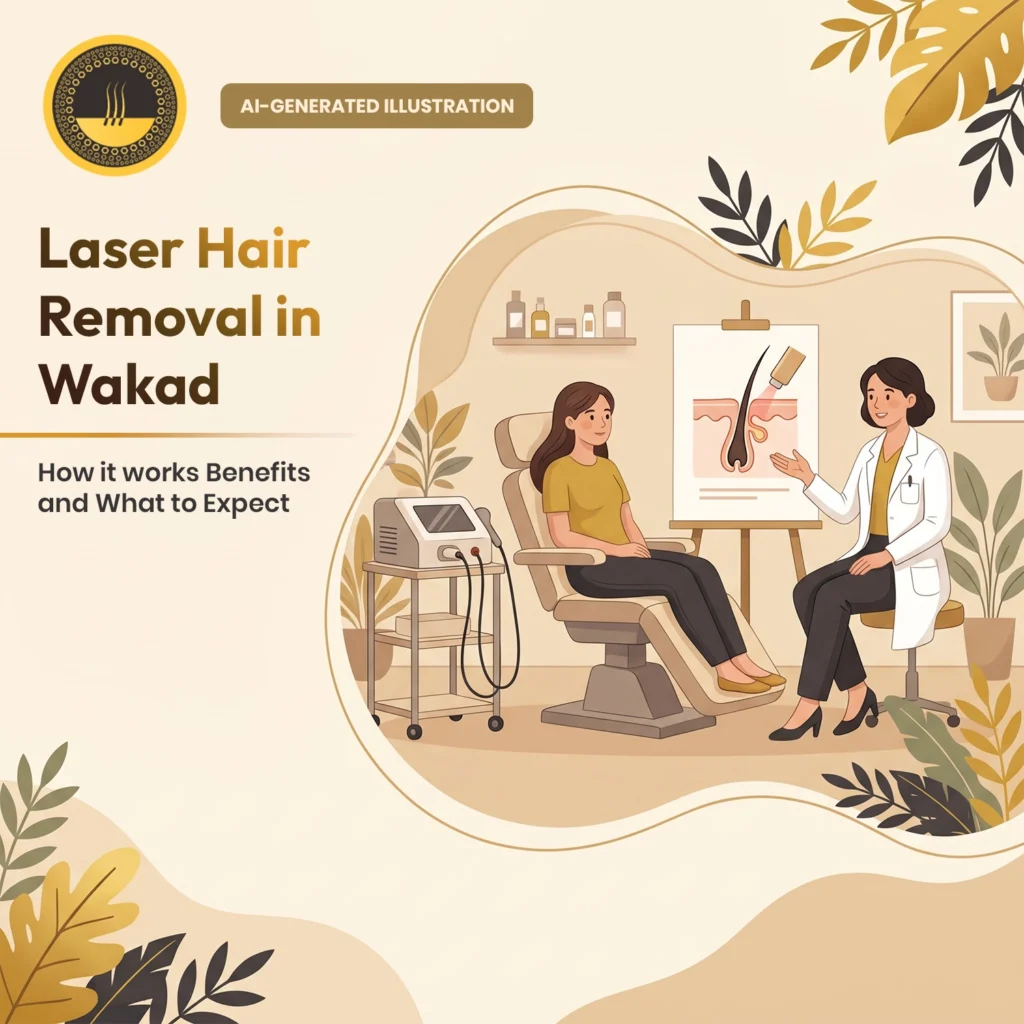
Laser hair removal is a procedure that uses concentrated light energy absorbed by the pigment (melanin) in hair follicles. The absorbed energy produces heat, which damages the follicle and reduces its ability to produce hair.
The treatment works most effectively on hair during its active growth phase. Since not all hair grows at the same time, multiple sessions are generally required.
Laser hair removal is commonly performed on areas such as:
The treatment approach depends on the body area, hair thickness, skin tone and individual medical history.
Laser hair removal offers several potential benefits compared with frequent shaving and waxing.
1. Long-Term Hair Reduction
Repeated treatment sessions can reduce hair growth over time. However, results vary, and maintenance sessions may be required. Laser hair removal should not be considered a guaranteed permanent hair removal method.
2. Reduced Ingrown Hairs
Shaving and waxing can sometimes contribute to ingrown hairs, particularly in individuals with coarse or curly hair. By reducing hair growth, laser treatment may help decrease the frequency of ingrown hairs.
3. Less Frequent Hair Removal
Once an appropriate course of treatment is completed, many individuals experience reduced hair growth and may need less frequent shaving or waxing.
4. Treatment for Multiple Body Areas
Laser technology can be used on several body areas, depending on individual suitability and the equipment used.
5. Reduced Hair-Related Skin Irritation
Some people experience irritation, razor bumps or folliculitis due to regular shaving and waxing. Reducing hair growth may help minimise these recurring concerns.
Before starting treatment, a qualified professional assesses the skin tone, hair colour, hair thickness and medical history.
The procedure generally involves the following steps:
Session duration depends on the size of the treatment area. Multiple sessions are usually necessary because hair follicles respond differently depending on their growth cycle.
Laser hair removal may be suitable for many individuals, but its effectiveness depends on hair colour, skin tone, hair thickness and the type of laser equipment used.
Darker hair generally responds better because it contains more melanin. Very light, grey, white or red hair may respond poorly to conventional laser systems.
Individuals with recently tanned skin, active skin infections, certain skin conditions or a history of abnormal scarring may require additional assessment.
A dermatologist can evaluate individual suitability and select appropriate treatment settings.
Laser hair removal is generally well tolerated when performed using appropriate equipment and settings. However, side effects can occur.
Possible reactions include:
Before treatment, avoid tanning and inform the treating professional about medications, skin conditions and previous skin reactions.
Appropriate eye protection and suitable laser settings are important during the procedure.
Following post-treatment instructions helps minimise irritation and support skin recovery.
General precautions include:
When researching laser hair removal in Wakad, consider the qualifications of the treating professional, the type of laser equipment used, hygiene practices and the availability of an appropriate skin assessment.
Treatment should be planned according to individual skin and hair characteristics rather than using identical settings for everyone.
Residents of Wakad, Hinjewadi, Tathawade, Punawale and nearby areas can seek a dermatological consultation to understand the procedure, expected outcomes and possible risks.
Laser hair removal is a commonly used dermatological procedure for reducing unwanted hair growth. It may help decrease the frequency of shaving and waxing and reduce certain hair-related concerns, including ingrown hairs.
However, results vary depending on skin tone, hair characteristics, treatment area and individual response. Multiple sessions are generally required, and maintenance treatment may be necessary.
Understanding the procedure, possible side effects and aftercare requirements can help individuals make informed decisions about laser hair removal.
Book a consultation today and take the first step toward healthier skin and hair.
Multiple sessions are generally required because hair follicles respond to laser treatment during specific growth phases. The number of sessions depends on the treatment area, hair characteristics and individual response.
Laser hair removal provides long-term hair reduction rather than guaranteed permanent hair removal. Some hair may regrow, and maintenance sessions may be required.
Different laser systems are designed for different skin tones and hair characteristics. A professional assessment is necessary to select appropriate equipment and treatment settings.
Temporary redness, swelling and sensitivity may occur. Burns and pigmentation changes are possible complications, particularly when inappropriate settings are used. Proper assessment, equipment selection and treatment precautions help reduce risks.
The content is for general informational purposes only, is not a substitute for professional medical advice, diagnosis, or treatment, and readers should consult a qualified healthcare professional about individual concerns.
Get a Free Quote
Copyright © 2026 regainhairandskin.in, design & developed by Codigix