
G11074 – Cosmetologist
Acne may heal over time, but the scars, dark marks and enlarged pores left behind can continue to affect skin appearance. Many people try different skincare products and home remedies to improve these concerns, but deeper acne scars may require dermatological treatment.
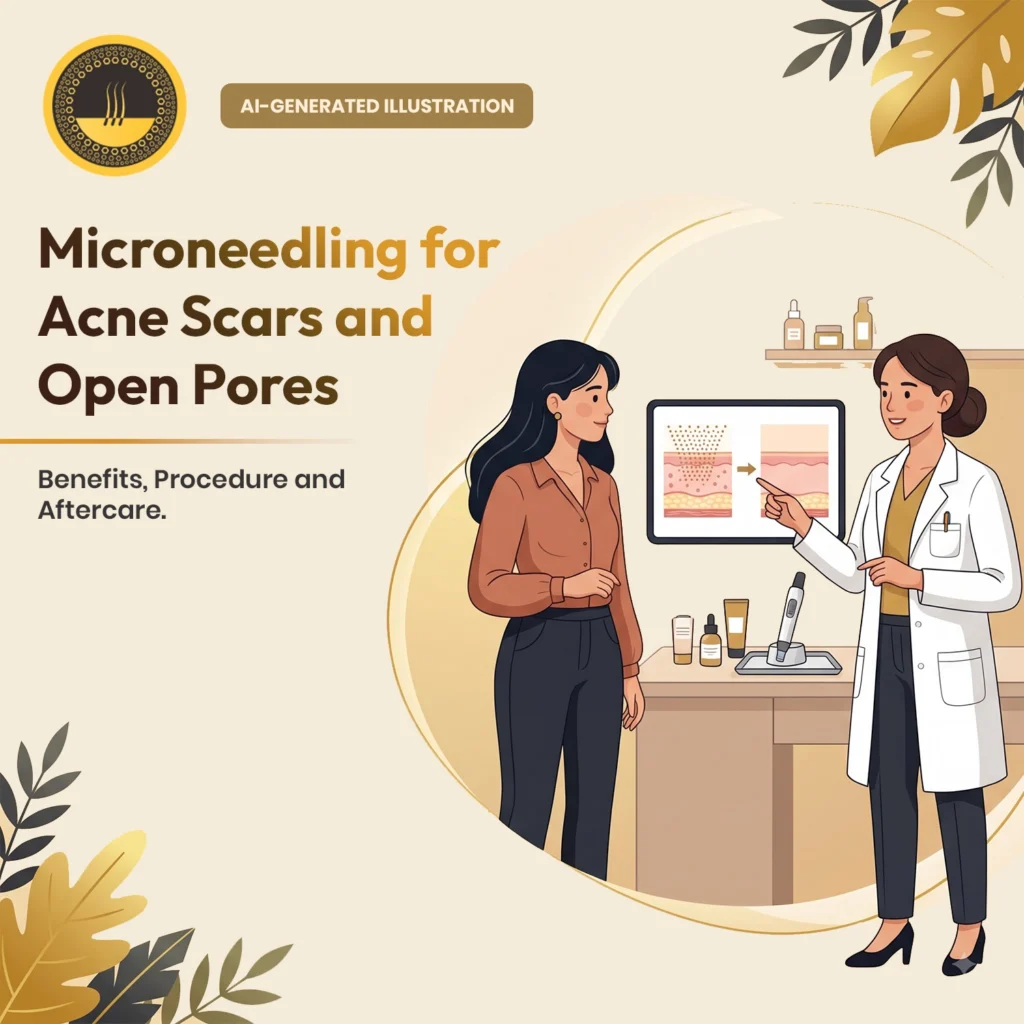
Microneedling is a minimally invasive dermatological procedure used to improve certain types of acne scars, uneven skin texture and fine lines. It works by creating controlled micro-injuries in the skin, stimulating the natural healing process and encouraging collagen production.
People searching for a Microneedling Clinic in Wakad should understand how the procedure works, its potential benefits, limitations and suitability for different skin conditions.
Microneedling, also known as collagen induction therapy, is a procedure that uses a specialised device with fine, sterile needles to create controlled microscopic channels in the skin.
These micro-injuries activate the body’s natural wound-healing response and stimulate collagen and elastin production. These proteins play an important role in maintaining skin structure, firmness and elasticity.
Microneedling may be considered for several skin concerns, including:
The suitability of the procedure depends on the individual’s skin condition and medical history.
Acne scars can develop when inflammation damages the deeper layers of the skin and affects normal collagen formation. This may result in depressed areas and uneven skin texture.
Microneedling stimulates the skin’s repair process and encourages collagen remodelling. Over time, this may improve the appearance of certain depressed acne scars.
Potential benefits include:
However, different acne scars respond differently to treatment. Deep, tethered or raised scars may require other dermatological procedures or a combination of treatments.
Microneedling does not guarantee complete scar removal.
Enlarged pores are a common concern, particularly among people with oily or acne-prone skin. Genetics, excess sebum production, ageing and reduced skin elasticity can influence pore appearance.
Microneedling may stimulate collagen production around the treated area, helping improve skin texture and making enlarged pores appear less noticeable.
Possible improvements include:
It is important to understand that pores are natural structures of the skin and cannot be permanently closed or eliminated.
The procedure generally involves several steps:
The duration of the procedure depends on the treatment area and individual requirements. Multiple sessions may be recommended depending on scar severity and treatment response.
Microneedling may be considered for individuals experiencing:
However, it may not be appropriate for everyone.
People with active inflammatory acne, skin infections, open wounds, certain inflammatory skin conditions or a tendency to develop abnormal scars may require alternative treatments.
A dermatological assessment is important before undergoing the procedure.
Microneedling is a minimally invasive procedure, but temporary side effects can occur.
These may include:
After treatment, general precautions may include:
If unusual pain, increasing redness, blisters or signs of infection develop, seek medical advice.
When considering microneedling in Wakad, it is important to understand the qualifications of the treating professional, the equipment being used and the hygiene practices followed during the procedure.
A proper skin assessment helps determine whether microneedling is suitable or whether another treatment may be more appropriate.
Residents of Wakad, Hinjewadi, Tathawade, Punawale and nearby areas can consult a qualified dermatologist to understand available treatment options for acne scars and enlarged pores.
Microneedling is a dermatological procedure that may help improve certain acne scars, enlarged pores and uneven skin texture by stimulating collagen production.
However, results vary according to scar type, skin condition and individual response. It does not permanently eliminate pores or guarantee complete acne scar removal.
Understanding the procedure, possible side effects and treatment limitations can help individuals make informed decisions. A professional dermatological assessment is important before starting microneedling or any other skin procedure.
Book a consultation today and take the first step toward healthier skin and hair.
Microneedling may improve the appearance of certain depressed acne scars by stimulating collagen production. However, complete scar removal cannot be guaranteed, and results depend on scar type and severity.
No. Pores are natural skin structures and cannot be permanently closed. Microneedling may improve surrounding skin texture and make enlarged pores less noticeable.
The number of sessions depends on the individual's skin condition, acne scar severity and response to treatment. A dermatologist determines the appropriate treatment schedule after assessment.
Microneedling is generally avoided over active inflammatory acne, infected areas and certain irritated skin conditions. A dermatologist should evaluate the skin before recommending treatment.
This article is intended for general informational and educational purposes only. It does not replace professional medical advice, diagnosis or treatment. Microneedling may not be suitable for everyone, and results vary between individuals. Consult a qualified dermatologist before undergoing any skin procedure.
Get a Free Quote
Copyright © 2026 regainhairandskin.in, design & developed by Codigix