
G11074 – BHMS, DCA(diploma in clinical aesthetics)
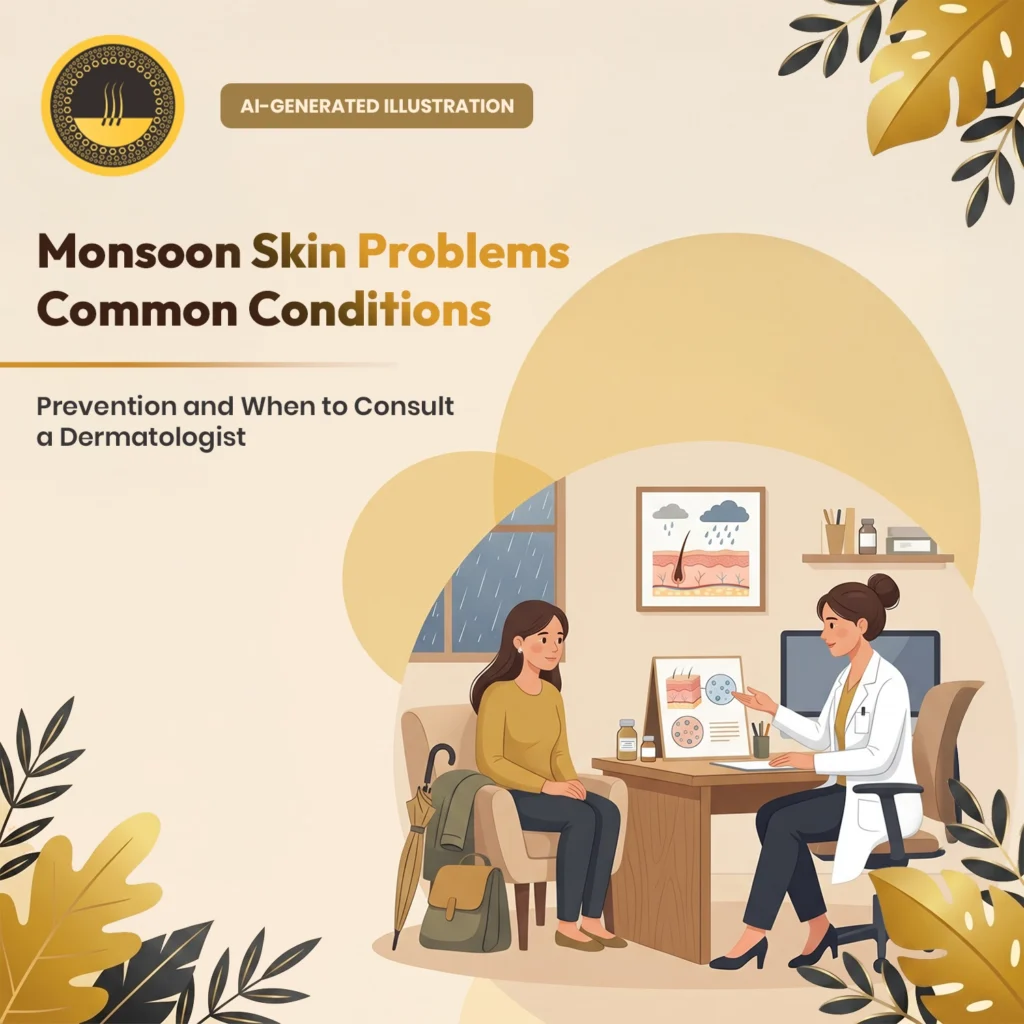
The monsoon season brings relief from summer heat, but increased humidity, sweating and damp weather can affect skin health. Many people experience monsoon skin problems such as acne breakouts, fungal infections, excessive oiliness, itching and skin rashes. People with existing skin conditions, including eczema, may also notice worsening symptoms during this period.
Understanding how humid weather affects the skin, identifying common skin conditions and following appropriate preventive measures can help maintain skin health. While basic skincare may help manage minor concerns, persistent or recurring symptoms require medical evaluation to identify the underlying cause.
Warm and humid weather creates conditions that can encourage fungal growth, particularly when moisture remains trapped against the skin. Excessive sweating, friction and damp clothing can also contribute to irritation and other skin concerns.
Common factors associated with monsoon-related skin problems include:
Not all monsoon skin problems are caused by humidity. Different conditions can produce similar symptoms, making accurate diagnosis important.
1. Acne and Pimples
Increased sweating, excess oil and friction may aggravate acne in susceptible individuals. Blocked pores can lead to blackheads, whiteheads and inflammatory pimples, particularly on the face, chest and back.
Prevention and care: Cleanse gently after excessive sweating, avoid harsh scrubbing and consider non-comedogenic skincare products. Avoid picking or squeezing pimples, as this can increase inflammation and the risk of scarring. Persistent or painful acne should be evaluated by a dermatologist.
2. Fungal Skin Infections
Fungal infections are among the common skin concerns during the rainy season. Warm, moist environments can encourage fungal growth, particularly around the feet, groin, underarms and skin folds.
Symptoms may include itching, redness, scaling and circular or spreading rashes. However, other skin conditions can produce similar symptoms.
Prevention and care: Keep the skin clean and dry, change damp clothes promptly and avoid sharing towels or footwear. Suspected fungal infections should be medically assessed, especially if they spread or recur. Avoid self-medicating with steroid-containing combination creams.
3. Excessively Oily Skin
Humidity and sweating can make the skin feel oilier than usual. People with naturally oily or acne-prone skin may notice increased facial shine during the monsoon.
Prevention and care: Use a gentle cleanser and a lightweight moisturizer suitable for your skin type. Avoid frequent washing and harsh astringents, which can irritate the skin.
4. Skin Rashes, Irritation and Eczema
Sweat, friction, damp clothing and exposure to certain products can trigger skin irritation. Individuals with eczema may also experience flare-ups during humid weather.
Common symptoms include redness, itching, dryness and inflammation. Possible causes include heat rash, contact dermatitis, eczema and infections.
Prevention and care: Wear breathable clothing, avoid identified irritants and keep the skin comfortable. Recurrent, spreading or persistent rashes should be examined to establish the correct diagnosis.
5. Dry and Dehydrated Skin
Despite high humidity, some individuals experience dryness, tightness and rough skin during the rainy season. Excessive cleansing, exfoliation and unsuitable skincare products may affect the skin barrier.
Prevention and care: Use a mild cleanser, apply an appropriate moisturizer and avoid excessive exfoliation. Persistent dryness or irritation may require medical assessment.
6. Pigmentation and Dark Spots
Post-inflammatory hyperpigmentation can develop after acne, skin irritation or certain inflammatory conditions. Sun exposure may also contribute to uneven skin tone, even on cloudy days.
Prevention and care: Avoid picking pimples, reduce skin irritation and use broad-spectrum sunscreen. Unexplained or changing pigmentation should be evaluated rather than treated with unverified skin-lightening products.
Following a consistent skincare routine can help reduce moisture-related irritation and support the skin barrier.
Not every skin concern requires medical treatment. However, professional evaluation is important when symptoms persist, recur or become severe.
Consider consulting a dermatologist if you experience:
Seek urgent medical attention if a rapidly spreading rash is accompanied by fever, severe pain, facial or throat swelling, or breathing difficulty.
Treatment depends on the underlying diagnosis, severity and individual skin condition. A dermatologist may recommend appropriate acne medication, antifungal treatment for confirmed fungal infections, or specific therapies for eczema and contact dermatitis.
Persistent pigmentation may require further evaluation to identify its cause. Certain dermatological procedures may be considered in selected cases, depending on clinical suitability.
Chemical peels and other cosmetic procedures are not necessary for every skin concern. Treatment decisions should be based on medical assessment rather than seasonal skincare trends.
Monsoon weather can aggravate several skin conditions, including acne, fungal infections, eczema flare-ups and moisture-related rashes. Maintaining personal hygiene, keeping the skin dry, using suitable skincare products and following sun protection measures can help support skin health.
However, similar symptoms may have different causes. Persistent, recurring, painful or spreading skin problems should be evaluated by a qualified dermatologist to ensure appropriate diagnosis and treatment.
Book a consultation today and take the first step toward healthier skin and hair.
Humidity and sweating can increase moisture on the skin and aggravate certain conditions. Friction, skincare products and individual skin sensitivity may also contribute.
Some people experience acne flare-ups, fungal infections, heat rash, irritation, eczema flare-ups or pigmentation following inflammation. The cause of any particular symptom cannot be determined from the season alone.
Seek assessment if symptoms persist, recur, spread, become painful or leave scars. Severe symptoms or a rash accompanied by fever or other signs of a serious reaction may require urgent care.
Some fungal infections can spread through direct contact or contaminated personal items, depending on the infection. Keeping skin dry, avoiding shared towels and seeking appropriate treatment can help reduce transmission and recurrence.
The content is for general informational purposes only, is not a substitute for professional medical advice, diagnosis, or treatment, and readers should consult a qualified healthcare professional about individual concerns.
Regain Skin Clinic And Hair Transplant Center,
Wakad, Pune
Get a Free Quote
Copyright © 2026 regainhairandskin.in, design & developed by Codigix