
G11074 – Cosmetologist
Hair loss is a common concern affecting both men and women. Excessive hair shedding, thinning hair, receding hairlines, and bald patches can develop due to several factors, including genetics, hormonal changes, nutritional deficiencies, stress, and certain medical conditions.
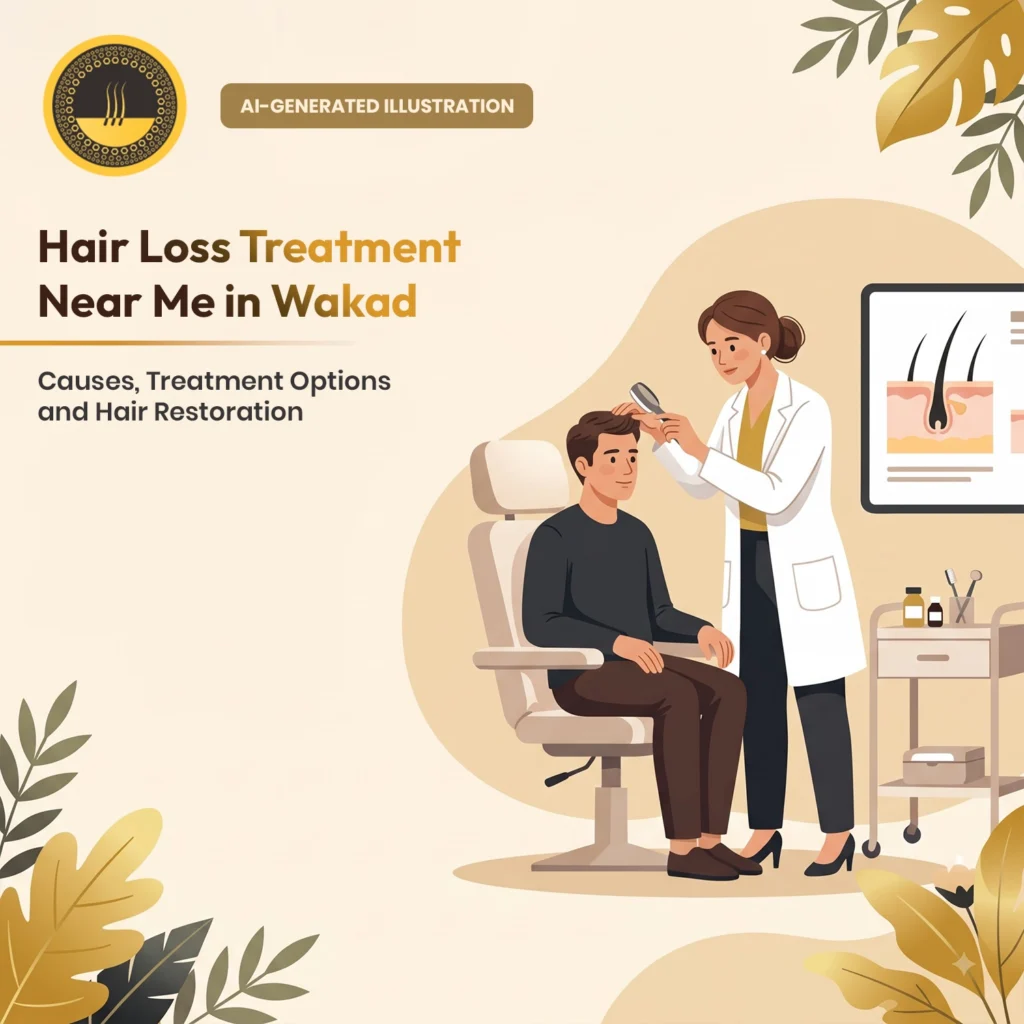
Although some hair shedding is part of the natural hair growth cycle, persistent or unusual hair loss may require medical evaluation. Individuals searching for hair loss treatment near me in Wakad should understand the possible causes and available treatment options before choosing a suitable approach.
A dermatologist can assess the scalp, identify underlying factors, and recommend an appropriate treatment plan based on individual hair loss patterns and medical history.
Hair loss can occur at different ages and may develop gradually or suddenly. Some common contributing factors include:
Identifying the underlying cause is important because different types of hair loss require different management approaches.
Individuals experiencing hair-related concerns may notice:
Sudden hair loss, painful scalp conditions, or bald patches should be evaluated promptly by a dermatologist.
Treatment depends on the type of hair loss, its severity, scalp health, and individual medical requirements. Several medical and supportive treatment options may be considered.
1. PRP Hair Treatment
Platelet-Rich Plasma (PRP) therapy involves collecting a small blood sample, processing it to concentrate platelets, and administering the preparation into selected areas of the scalp.
PRP is used as an additional treatment for certain types of hair thinning, particularly pattern hair loss.
Potential benefits may include improvements in hair density for some individuals. However, treatment response varies, and scientific evidence is still developing regarding standardised treatment protocols.
2. GFC Hair Treatment
Growth Factor Concentrate (GFC) therapy involves preparing a platelet-derived concentrate containing growth factors from the patient’s own blood.
It is used in some hair restoration settings as a supportive treatment for hair thinning.
However, evidence regarding its effectiveness and long-term outcomes remains limited. Patients should discuss its potential benefits, limitations, and costs before considering the procedure.
3. Hair Mesotherapy
Hair mesotherapy involves administering selected substances into the superficial layers of the scalp.
Different formulations may contain vitamins or other ingredients. However, evidence supporting its effectiveness for hair loss remains limited and varies according to the formulation and underlying condition.
It should not replace established medical treatments when these are indicated.
4. Medical Hair Loss Treatment
Medical treatment may be recommended depending on the diagnosis.
Common options include:
Minoxidil: A topical medication used for certain types of hair loss.
Finasteride: An oral medication that may be prescribed for appropriate patients with pattern hair loss after discussing potential side effects and contraindications.
Nutritional management: Correction of identified deficiencies such as iron deficiency.
Scalp medication: Treatment for conditions such as seborrhoeic dermatitis, infections, and inflammatory scalp disorders.
Medication should be used under appropriate medical guidance.
5. Hair Transplantation
Hair transplantation is a surgical option for selected individuals experiencing pattern baldness or certain forms of permanent hair loss.
Techniques such as Follicular Unit Extraction (FUE) and Direct Hair Implantation (DHI) involve transferring hair follicles from a donor area to areas affected by hair loss.
Suitability depends on donor hair availability, scalp condition, medical history, and future hair loss expectations.
A detailed medical assessment is necessary before considering surgery.
Hair loss does not have the same cause in every individual. A proper assessment helps determine which treatment options may be appropriate.
A consultation may involve:
Treatment plans should be based on diagnosis rather than offering the same procedures to everyone.
Seeking medical advice when unusual hair loss begins may help identify treatable conditions before they progress.
Early evaluation may help:
However, not all types of hair loss can be prevented or reversed. Treatment outcomes depend on the underlying condition and individual response.
Along with appropriate medical treatment, healthy daily habits can support overall hair and scalp health.
Before starting treatment, individuals should check the qualifications and medical registration of the treating professional, understand the proposed procedure, and discuss potential complications.
Important considerations include transparent treatment costs, realistic expectations, available alternatives, and appropriate follow-up arrangements.
Patients should also understand that treatments such as PRP, GFC, and mesotherapy do not provide guaranteed results and may not be suitable for every type of hair loss.
Hair loss can develop due to genetic, hormonal, nutritional, medical, and environmental factors. Understanding its underlying cause is essential for selecting an appropriate treatment.
Individuals researching hair loss treatment near me in Wakad should prioritise professional assessment, evidence-based medical options, and realistic expectations. Depending on the diagnosis, treatment may involve medication, supportive therapies, scalp management, or hair transplantation.
A consistent approach to medical care and hair maintenance can help address many hair-related concerns.
Book a consultation today and take the first step toward healthier skin and hair.
The appropriate treatment depends on the cause of hair loss. Options may include minoxidil, finasteride in suitable patients, nutritional management, PRP therapy, or hair transplantation in selected cases.
PRP may improve hair density in some individuals with certain types of hair thinning. However, results vary, and multiple sessions may be recommended depending on the treatment protocol.
Yes. Deficiencies involving iron, protein, and certain vitamins may contribute to hair shedding. Medical evaluation and appropriate investigations can help identify deficiencies that require correction.
Consult a dermatologist if you experience persistent excessive shedding, visible thinning, sudden bald patches, scalp inflammation, or a rapidly receding hairline. Early assessment can help identify the cause and guide treatment.
Get a Free Quote
Copyright © 2026 regainhairandskin.in, design & developed by Codigix